Best Judo Throwing Dummies to Buy in October 2026
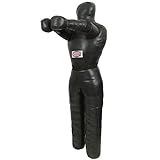
Combat Sports 70 lbs Legged Grappling Dummy for MMA Jiu-Jitsu Wrestling | Reinforced vinyl nylon build, realistic leg design for takedowns throws submissions, 35-140 lbs options, solo training
-
TRAIN ANYTIME: NO PARTNER NEEDED FOR DRILLING ALL GRAPPLING TECHNIQUES!
-
DURABLE DESIGN: HEAVY-DUTY MATERIALS ENHANCE LONGEVITY FOR INTENSE TRAINING.
-
VERSATILE USE: IDEAL FOR HOME GYMS, ACADEMIES, AND COMPETITION PREP!


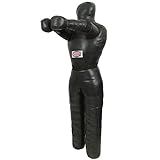
Combat Sports 90 lbs Legged Grappling Dummy for MMA Jiu-Jitsu Wrestling | Reinforced vinyl nylon build, realistic leg design for takedowns throws submissions, 35-140 lbs options, solo training
-
TRAIN SOLO WITH A REALISTIC GRAPPLING PARTNER FOR VERSATILE DRILLS.
-
CHOOSE WEIGHTS FOR ENHANCED RESISTANCE AND SERIOUS SKILL DEVELOPMENT.
-
DURABLE DESIGN ENSURES LONG-LASTING USE ON DIFFERENT TRAINING SURFACES.
Suples Speed Wrestling Dummy with Legs – Medium 46 lb 63 in Vinyl Throwing Dummy for MMA, Judo, Jiu Jitsu & Grappling Training
-
TRIPLE YOUR THROWING TECHNIQUES PER SESSION FOR RAPID SKILL GROWTH!
-
DYNAMIC WARM-UP TOOL ENHANCES SKILLS WITHOUT WASTING VALUABLE REPS.
-
SUPERIOR CARDIO ALTERNATIVE BOOSTS SPORT-SPECIFIC ENDURANCE EFFECTIVELY.
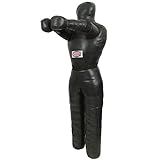
Combat Sports 120 lbs Legged Grappling Dummy for MMA Jiu-Jitsu Wrestling | Reinforced vinyl nylon build, realistic leg design for takedowns throws submissions, 35-140 lbs options, solo training
- TRAIN SOLO: IMPROVE SKILLS WITHOUT A PARTNER-PERFECT FOR ALL LEVELS.
- ADJUSTABLE WEIGHT: CHOOSE YOUR RESISTANCE FOR TAILORED TRAINING IMPACT.
- HEAVY-DUTY BUILD: DURABLE DESIGN FOR INTENSE WORKOUTS ON ANY SURFACE.
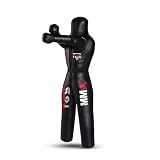
PGS - Heavy-Duty Grappling Dummy for Martial Arts Training — Jiu Jitsu/BJJ/MMA Wrestling Practice Dummy — UNFILLED Custom-Weight Design (6FT - 70")
-
DURABLE VINYL CONSTRUCTION: BUILT TO WITHSTAND RIGOROUS DAILY TRAINING.
-
CUSTOM WEIGHT ADJUSTMENT: FILL FOR TAILORED TRAINING, FROM LIGHT TO HEAVY.
-
REALISTIC HUMAN SHAPE: ENHANCES TECHNIQUE AND MUSCLE MEMORY ACCURACY.
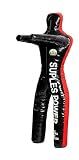
Suples Wrestling Dummy with Legs - Black Vinyl - (Small - 55 lbs) Freestyle, Judo, MMA, Jujitsu, Grappling, Wrestling, Boxing, Fighting, Throwing Dummy, UFC
- BUILT TO LAST-HANDLES TOUGH THROWS WITH EASE!
- DURABILITY ASSURED-NO COMPLAINTS, JUST PERFORMANCE!
- AVAILABLE ONLY IN THE USA-EXCLUSIVE ACCESS TO QUALITY!
Best Judo Throwing Dummies solve a very specific training problem: you can drill entries, kuzushi, lifts, and finish mechanics hundreds of times without needing a live partner to take repeated falls. That matters because throw volume is what sharpens timing, but in most clubs you can’t ask a teammate to absorb 50 seoi-nage reps, 40 uchi-mata lifts, and another 30 osoto-gari finishes after hard randori.
I’ve used grappling dummies in small dojo spaces, garage gyms, and after-hours mat sessions where the goal wasn’t flashy training - it was getting cleaner at setup, grip transition, and follow-through. The truth is simple: a bad dummy folds in the wrong places, shifts awkwardly on pickup, or feels so unrealistic that your throws get worse, not better.
This guide breaks down which type of judo dummy is best for your training style, what features actually matter, and where the real value sits across different budget tiers. You’ll also see the red flags that show up again and again in buyer feedback, especially around stitching, fill quality, and whether a dummy is truly suitable for throws instead of just groundwork.
How we select products: Our team reviews training gear using a practical buyer-first method: we compare customer ratings, build materials, fill options, weight range, durability feedback, and long-term value signals across major retailers and specialty martial arts stores. For this topic, we prioritized throw-safe construction, reinforced seams, realistic limb positioning, and repeated-use durability over flashy marketing claims.
What makes the Best Judo Throwing Dummies different from regular grappling dummies?
Not every grappling dummy is built for judo. A lot of them are really designed for BJJ drills, top control, and submission practice, not repeated hip throws, foot sweeps, pickups, or impact against mats.
The Best Judo Throwing Dummies usually share four traits:
- Dense but balanced fill so the dummy doesn’t swing like a sandbag
- Reinforced shoulders, hips, and crotch seams where throw stress concentrates
- Usable arm length and leg positioning for grips, entries, and turnover transitions
- A shape that holds posture instead of collapsing during kuzushi or lift phases
That last point is huge. If the torso buckles every time you turn in for ippon seoi-nage, you’re not practicing a throw - you’re wrestling dead fabric.
For judo-specific training, I’d rank the top formats like this:
- Freestanding filled throwing dummies for most solo throw practice
- Unfilled shells you customize if you want precise weight control
- Groundwork-focused dummies only if your goal is newaza, not tachi-waza
If you also train in full uniform regularly, pairing your dummy sessions with the right gi matters too. For fabric durability and gripping feel, this guide from Fitprops is a useful companion read.
How we picked the Best Judo Throwing Dummies for real training
I didn’t judge these by sales copy. For a judo throwing dummy, the real test is whether it survives repeated loading at the same stress points: under the armpits, around the neck, through the hips, and at the knees after impact.
Here’s the selection criteria that matters most:
1. Can it actually take throws?
A dummy built for throws needs load-bearing stitching and enough structure to keep its shape after dozens of reps. Models with weak shoulder seams or loosely attached limbs often fail early, especially during shoulder throws and pickup-based drills.
2. Does the weight feel useful, not just heavy?
For most adults, the sweet spot for a judo training dummy is roughly 50% to 80% of your body weight if your goal is technical repetition. Too light, and your lifting mechanics get sloppy. Too heavy, and you stop drilling volume after 10 reps.
3. Are the limbs positioned for actual grips and entries?
The best setups allow you to work around lapel-and-sleeve simulation, underhook transitions, belt-line control, and turning entries. Short, stiff, or oddly angled arms make a dummy frustrating fast.
4. What do reviews say after 3 to 6 months?
Early reviews often praise appearance. The useful reviews show up later and mention things like flattening fill, seam separation, handle blowouts, or uneven settling after regular throwing practice.
5. Is it better for throws, groundwork, or both?
Many buyers overpay for “all-purpose” dummies that are mediocre at everything. The Best Judo Throwing Dummies are usually those that prioritize tachi-waza first, then offer enough stability for hold-downs, turnovers, and transition drills.
Best Judo Throwing Dummies under the entry-level budget
If you’re training at home and want reps without committing to a premium setup, the best entry-level options are usually unfilled or lightly filled shells with reinforced seams. These work best for beginners drilling movement patterns, footwork entries, and moderate-intensity throws.
What you should expect in this range:
- Lighter overall weight
- Less realistic torso density
- Basic synthetic outer material
- Decent value for uchikomi-style throwing reps
The best budget option for beginners is typically an unfilled dummy shell with double-stitched shoulders and enough length to reach hip height on setup. That gives you the freedom to adjust the fill and avoid a too-light dummy that teaches bad lift mechanics.
This tier is best for:
- Beginners learning how to practice judo throws alone
- Teens or lighter adults
- Home dojo setups with limited mat space
- Players focusing on throw entries, kuzushi, and turning speed
The tradeoff is durability. Entry-level dummies tend to show stress first in the arms and upper torso, especially if you’re drilling high-amplitude throws multiple times per week.
The mid-range sweet spot: where most people find the Best Judo Throwing Dummies
For most judoka, the best value sits in the middle tier. This is where you start seeing the features that actually matter: better weight distribution, more realistic posture, thicker shell material, and stronger seam reinforcement.
If you train 2 to 4 times per week, this is the category I’d recommend first.
Why? Because mid-range dummies are usually heavy enough for:
- Seoi-nage entries
- Osoto-gari finishes
- O-goshi and harai-goshi mechanics
- Basic sacrifice throw setups
- Grip transition drills into newaza
The Best Judo Throwing Dummies for serious hobbyists are usually found here because they strike the right balance between throw realism and long-term durability. You’re not paying only for more weight - you’re paying for a dummy that doesn’t deform after a month.
A strong mid-range pick should have:
- Reinforced stitching in at least 3 stress zones
- A fill or fill capacity that keeps the dummy upright enough for setup
- Limbs long enough for realistic clinch or sleeve-control simulation
- Buyer feedback above the average threshold for durability
If you wear rash guards or training tops during solo sessions, the texture and friction of your clothing can affect grip transitions more than people expect. For that side of mat training, Fitprops has a helpful breakdown.
Premium Best Judo Throwing Dummies for advanced throw volume
Premium throwing dummies are for one kind of buyer: someone who knows they’ll use the thing hard. If you’re drilling several times a week, coaching throws, or building a dedicated grappling space, the higher tier often pays for itself in lifespan alone.
This is where the Best Judo Throwing Dummies usually separate themselves with:
- Heavier and more stable core construction
- Better balance during pickup and rotation
- More anatomical shape through hips and shoulders
- Outer shells that resist tearing from repeated gi-style gripping
Advanced players often underestimate how much weight distribution matters. A poorly balanced heavy dummy feels harder, but not more realistic. A well-balanced premium dummy lets you practice cleaner loading on tai-otoshi entries, more honest lifts on koshi-waza, and smoother follow-through on rotational throws.
The best premium choice is the one that keeps its shape after repeated impact and still allows technical grip placement. That matters more than raw weight.
What to look for before you buy a judo training dummy
If you’re comparing options, use this checklist. These are the features that most directly affect whether a dummy helps your judo or just takes up floor space.
1. Weight range relative to your body weight
For most adults, aim for a dummy around 50% to 80% of your body weight for throw drilling. Beginners should stay closer to the lower end; stronger or advanced players can go heavier for lifting and finishing work.
2. Reinforced stitching at key load points
Look closely at:
- Shoulders
- Armpits
- Hips
- Crotch area
- Knee joints
These are the first failure zones on a throwing dummy. Double or triple stitching is a real advantage here, especially for repeated nage-komi style practice.
3. Fill type and fill consistency
If it comes unfilled, that’s not a downside. In many cases, an unfilled judo dummy is worth it because you can tune the density yourself using textile scraps, foam, or a balanced mixed fill rather than ending up with a lumpy factory pack.
4. Limb usability
Arms that are too short make it harder to practice realistic entries. Legs that are fused awkwardly can limit foot sweep angles and reduce the value of transition drills into pins.
5. Surface material
Synthetic shells are common and usually easier to clean. Canvas-style or heavy-duty outer materials often last longer under gripping stress, but they can feel rougher on bare skin during repeated drills.
6. Mat compatibility
A heavy dummy still needs proper landing surface. If you’re throwing on thin home mats under 1.5 inches, expect more rebound, more noise, and more strain on both the dummy and your floor.
Pro tip: A dummy that’s slightly lighter but better balanced is usually more useful than a heavier one with sagging limbs. For judo, posture and pickup feel matter more than brute mass.
What the reviews say: red flags buyers mention again and again
The fastest way to avoid disappointment is to spot patterns in negative feedback. On judo dummies, the same problems keep showing up.
Red flag #1: “Good for grappling, not for throws”
This usually means the dummy was made for BJJ dummy drills or MMA ground work. If reviews mention that it collapses on standing entries or won’t hold shape for turn-ins, it’s not a real throwing dummy.
Red flag #2: Arms tearing at the shoulder seam
This shows up most often on lighter dummies with weak reinforcement. If multiple buyers mention shoulder ripping after a few weeks, skip it - shoulder stress is unavoidable in judo.
Red flag #3: Weight settling into the legs
A dummy with poor fill retention becomes bottom-heavy fast. That makes lifting awkward and teaches bad posture on throws like o-goshi, kata-guruma variations, and pickup-based drills.
Red flag #4: “Feels like a duffel bag”
That review phrase tells you a lot. If the torso lacks structure, your kuzushi, body turn, and finish mechanics won’t transfer well to live practice.
Red flag #5: No clear height or weight details
If the listing doesn’t explain dimensions, expected filled weight, or intended use, that’s a trust problem. The Best Judo Throwing Dummies are sold with enough detail for you to match size to your body type and training goals.
Which type of dummy is best for your training goal?
Not every judoka needs the same thing. Your best choice depends on what you’re drilling most.
Best for beginners learning entries and balance breaking
Choose a lighter, well-shaped dummy that lets you practice movement patterns without turning every session into a deadlift workout. Focus on form, not max load.
Best for throw repetition and conditioning
Choose a mid-to-heavy dummy with stable fill and reinforced seams. This gives you the volume needed for throw chains, grip-to-throw transitions, and solo circuits.
Best for newaza plus occasional throws
Choose a hybrid design only if its structure still supports standing work. Many “all-in-one” models are much better on the ground than on the feet.
Best for small spaces
A shorter or slightly lighter dummy is often smarter than an oversized one you can’t throw safely. A cramped garage setup changes the equation fast, especially if your ceiling or wall clearance is limited.
Is a judo throwing dummy worth it if you already train with partners?
Yes - if you use it for the right jobs. A dummy won’t replace timing against a resisting person, but it’s excellent for high-rep mechanics, conditioning rounds, and extra work on weak throws.
I’ve found it most useful for:
- Cleaning up turning entries after class
- Drilling combinations without partner fatigue
- Practicing pickup confidence
- Repeating transitions from throw to hold-down
- Building solo throwing endurance
That said, a dummy is only worth it if it matches your main training need. If your priority is realistic grip fighting or reaction timing, more live drilling beats any dummy every time.
Final recommendation: what matters most before you buy
If you want the Best Judo Throwing Dummies, prioritize shape retention and reinforced seams before anything else. Weight matters, but a slightly lighter dummy that holds posture will help your throws more than a heavier model that collapses at the shoulders and hips.
For most buyers, the safest move is a mid-range throwing dummy with realistic limb positioning, durable stitching, and customizable or well-balanced fill. That combination gives you the best mix of throw practice, longevity, and actual carryover to mat work.
Frequently Asked Questions
how to practice judo throws alone at home?
Use a throwing dummy on proper mats and focus on high-repetition technical work like entries, lifts, and controlled finishes. Solo practice is best for movement quality and conditioning, not for learning reaction timing against resistance.
what is the best weight for a judo throwing dummy?
A good rule is 50% to 80% of your body weight depending on your experience and goals. Lighter dummies suit beginners and fast technical reps, while heavier ones are better for strength-oriented throwing drills.
is a judo throwing dummy worth it for beginners?
Yes, if the beginner needs extra repetition outside class and has enough mat space to use it safely. The best beginner option is usually a lighter dummy with solid shape and durable seams rather than the heaviest model available.
can you use a BJJ dummy for judo throws?
Sometimes, but many BJJ dummies are built more for groundwork than standing throws. If reviews say it collapses during turn-ins or lacks shoulder stability, it won’t work well for serious judo throwing practice.
what should I look for in the Best Judo Throwing Dummies?
Look for reinforced shoulders and hips, balanced weight distribution, usable limb length, and a shape that stays upright enough for realistic entries. Those features matter more than flashy extras because they directly affect throw quality and durability.