Best Judo Gis to Buy in October 2026
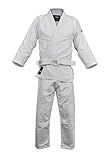
FUJI Single Weave Judo Gi Uniform, Cotton Blend Training Gi for Kids Adults | Single weave judo gi with cotton blend, white belt, design and comfortable fit for kids and adults, made for training use.
-
TRAIN FASTER: SINGLE-WEAVE DESIGN ENHANCES COMFORT AND FLEXIBILITY.
-
PERFECT FIT: AVAILABLE IN ALL SIZES WITH INCLUDED WHITE BELT.
-
DURABLE COMFORT: PREMIUM COTTON BLEND TAILORED FOR HEAVY-DUTY TRAINING.


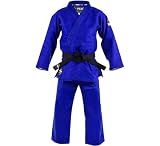
FUJI Double Weave Judo Gi, Thick Collar Cotton-Blend Judo Uniform Blue, 4
- IJF-APPROVED DESIGN ENSURES COMPLIANCE FOR TRAINING AND COMPETITION!
- TRUSTED BY TOP JUDO CENTERS FOR UNMATCHED COMFORT AND DURABILITY!
- PREMIUM COTTON BLEND DELIVERS A TRADITIONAL LOOK WITH LASTING QUALITY!
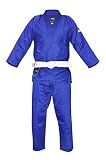
Fuji Single Weave Judo Gi Uniform - Kids & Adults Cotton Training Gi for Judo and Karate, Size 3, Blue
-
ENHANCE SKILLS: EXPERIENCE AGILITY WITH OUR FLEXIBLE SINGLE-WEAVE GI.
-
PERFECT FIT: AVAILABLE IN ALL SIZES, INCLUDES A WHITE BELT FOR EVERYONE.
-
DURABLE COMFORT: PREMIUM COTTON BLEND ENSURES LONGEVITY AND SOFTNESS.
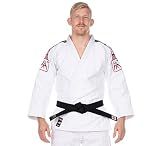
FUJI mens Double Weave Judo Gi, Thick Collar Cotton-Blend Judo Uniform, White, 1
- IJF-APPROVED DOUBLE WEAVE FOR ELITE COMPETITION AND TRAINING!
- TRUSTED BY TOP JUDO CENTERS; EXCEPTIONAL COMFORT & FIT.
- DURABLE, HIGH-QUALITY COTTON BLEND FOR LASTING PERFORMANCE.
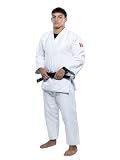
FUJI Euro Competition Judo Gi for Men and Women (Belt Not Included), Size 3
-
PREMIUM COTTON BLEND FOR DURABILITY; PERFECT FOR TRAINING AND COMPETITION.
-
OFFICIALLY MEETS INTERNATIONAL JUDO FEDERATION SPECIFICATIONS.
-
DESIGNED EXCLUSIVELY FOR JUDO ATHLETES-SEPARATE FROM BJJ GEAR.
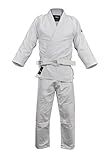
FUJI Single Weave Judo Gi Uniform with White Belt for Kids and Adults Gi | Single weave judo gi with white belt, premium cotton blend, durable and comfortable for training and competition use for kids
- ENHANCE SKILLS WITH OUR FLEXIBLE, LIGHTWEIGHT SINGLE-WEAVE GI.
- AVAILABLE IN VARIOUS SIZES, PERFECT FIT FOR MEN, WOMEN, AND KIDS!
- DURABLE COTTON BLEND FOR COMFORT; IDEAL FOR BEGINNERS AND PROS.
Best Judo Gis aren’t just about color and size-your jacket weight, weave density, and shrink rate can change how a grip feels in the first 30 seconds of randori. A stiff, heavy uniform can make sleeve control harder for your opponent, while a soft beginner gi may feel better on day one but wear out fast if you train 3 to 4 times a week.
That’s why picking the right judo uniform matters more than most new judoka expect. Below, you’ll get a practical breakdown of the Best Judo Gis by budget, skill level, and training style, plus the exact features that separate a smart buy from a frustrating one.
How we select products: Our team reviews products daily, analyzing customer ratings, sizing feedback, fabric weight, durability reports, discount history, and real buyer comments to surface options that deliver strong value. We prioritize judo gis with 4.0+ star averages, consistent stitching quality, and a track record of holding up through repeated washing and grip-heavy training.
What are the Best Judo Gis for most people right now?
For most adult practitioners, the Best Judo Gis sit in the midweight to heavyweight range, use 100% cotton or cotton-blend fabric, and balance durability with manageable break-in time. If you train 2 to 3 times per week, the sweet spot is usually a gi with reinforced knees, a dense collar, and predictable shrinkage under 5% to 7% after proper washing.
For beginners, the best choice is usually a midweight single-weave or training-weight gi that won’t feel like armor during ukemi drills. For competitors, the better move is often a heavier competition-cut gi with firmer lapels and stronger sleeve structure.
How we picked these Best Judo Gis
I looked at the criteria that actually affect mat performance, not marketing copy. That means jacket fabric weight, seam reinforcement, pant construction, shrink behavior, collar density, and the kind of complaints that keep showing up in long-term owner reviews.
The patterns were clear. Gis with double-reinforced knees, multiple rows of stitching on the lapel, and strong sizing consistency got the fewest durability complaints, while lighter entry-level sets got more comments about sleeve wear and knee thinning after 6 to 12 months of steady use.
Here’s the framework used to judge the Best Judo Gis:
-
Fabric durability
- Heavier jackets generally last longer under grip fighting.
- Training gis below roughly 350 gsm tend to feel comfortable early but often show wear sooner for adults training hard.
-
Shrinkage control
- Cotton judo gi fabric can shrink noticeably after the first 2 to 3 washes.
- The best options usually provide realistic shrink estimates instead of vague “pre-shrunk” claims.
-
Stitching and reinforcement
- Look for extra stitching at the underarm, shoulder, pant seat, and knee panels.
- These are the failure points that show up most often in user feedback.
-
Collar stiffness
- A thicker collar makes grip setting harder for your opponent.
- That matters much more in stand-up exchanges than beginners realize.
-
Fit consistency
- The best judo gi for beginners isn’t the one with the fanciest fabric; it’s the one that fits correctly after washing.
- Sleeve and pant length complaints are one of the top reasons for returns.
What should you look for in the Best Judo Gis?
If you only compare looks, you’ll miss the details that actually matter after week 6. The Best Judo Gis feel boring on paper-until you realize those boring details are what stop torn knees, floppy collars, and surprise shrinkage.
1. What fabric weight is best for a judo gi?
A lightweight judo gi works for casual training, hot gyms, and brand-new students. But for most adults, a midweight or heavyweight judo gi offers a better durability-to-comfort ratio, especially once training reaches 2+ sessions per week.
As a general rule:
- Lightweight: easier break-in, less durable under hard gripping
- Midweight: best all-around choice for most students
- Heavyweight: best for serious randori and competition prep
2. How much should a judo gi shrink?
Expect some shrinkage with cotton, especially if you wash warm or machine dry. A good target is a gi that stays within one predictable size band after cold washing and air drying.
Pro tip: Air drying can reduce shrink-related sizing problems by several centimeters compared with machine drying. That one habit often extends the usable life of your judo uniform by an entire season.
3. Which judo gi features actually improve durability?
Don’t get distracted by cosmetic trim. The durable stuff is simple:
- Reinforced knees
- Thick lapel stitching
- Strong seat panels on pants
- Taped stress points
- Dense cotton weave that resists grip stretching
If you’re comparing options, these construction details matter more than nearly any style difference.
4. Is a competition cut worth it for regular training?
Usually yes, if you train seriously and like a firmer fit. Competition-style cuts often use heavier fabric and more structured collars, which makes them a strong pick for experienced judoka who spend a lot of time in stand-up exchanges.
That said, they can feel stiff for complete beginners. If your current focus is breakfalls, movement, and basic throws, a softer training gi is often the better first purchase.
Best Judo Gis under the entry-level budget: who should buy them?
Budget judo gis work best for beginners, occasional trainees, and growing teens who may outsize a uniform within a year. The strongest entry-level picks usually prioritize comfort and acceptable durability over premium stiffness.
These are often the Best Judo Gis for:
- First 3 to 6 months of classes
- Dojos with low competition pressure
- Students training 1 to 2 times weekly
- Backup gi use
What to expect in this tier:
- Softer fabric out of the bag
- Faster break-in
- Less rigid collars
- More sizing variation
- Higher chance of wear in high-friction areas
The upside is value. If you’re still deciding whether judo will become a long-term commitment, this bracket makes sense.
Why the mid-range is the sweet spot for the Best Judo Gis
For most adults, the best value sits in the middle. This is where you usually get the strongest mix of durability, fit consistency, and wash performance without jumping into top-end competition pricing.
A good mid-range judo gi typically includes:
- Noticeably stronger jacket weave
- Better lapel structure
- Reinforced knees and seat
- More accurate size guidance
- Longer lifespan under regular randori
If you train 2 to 4 times per week, this is usually the smartest place to spend your money. It’s also the tier where the Best Judo Gis for hobbyists and local competitors overlap.
For readers comparing cuts and build quality across styles, this deep dive on the best adidas judo gi is useful as a reference point for what mid-tier and premium construction often look like.
Are premium Best Judo Gis worth it for serious training?
If you compete regularly or train hard enough to stress a gi every week, premium options can absolutely be worth it. The gains usually show up in collar density, sleeve structure, fabric resilience, and long-term shape retention rather than dramatic comfort differences on day one.
Premium-level gis are best for:
- Competitors
- Instructors
- Heavy grip fighters
- Judoka training 4+ sessions per week
- Anyone tired of replacing cheaper uniforms too often
The catch is simple: premium gis aren’t automatically the Best Judo Gis for beginners. If you’re still learning posture, breakfalls, and basic gripping, you may not benefit enough from the extra stiffness to justify the upgrade.
Best Judo Gis by use case: the fastest way to choose
Not every buyer needs the same thing. The best judo gi for a first-week white belt is different from the best judo gi for tournament prep.
| Use case | Best type of gi | Why it works | |---|---|---| | Complete beginner | Midweight training gi | Easier movement, manageable break-in, solid value | | Adult hobbyist | Durable mid-range gi | Best balance of comfort and lifespan | | Frequent randori | Heavyweight or comp-style gi | Better grip resistance and structure | | Competition prep | Firmer competition-cut gi | Strong collar, more stable fit, match-ready feel | | Growing child or teen | Affordable training gi | Lower replacement pain as size changes |
That table is the shortest honest answer for most shoppers.
What do reviews reveal about the Best Judo Gis after 6 months?
The most useful reviews aren’t posted after one class. They show up after 20 to 50 training sessions, when shrinkage, seam wear, and collar breakdown become obvious.
The recurring patterns look like this:
- Positive long-term reviews mention predictable shrinkage, intact knee panels, and collars that stay firm after repeated washes.
- Negative long-term reviews often mention sleeve shortening, loose threads near the armpits, and pants tearing at the knees or seat.
- Gis with very soft jackets get praised early, then criticized later for durability.
- Heavier jackets get mixed first impressions, then stronger long-term scores from frequent trainees.
That’s why the Best Judo Gis often aren’t the most comfortable on day one. They’re the ones still performing after month eight.
Red flags to watch before you buy a judo gi
Some warning signs show up again and again. If you see more than one of these, keep shopping.
1. Vague shrinkage claims
If sizing guidance says “minimal shrinkage” but gives no washing instructions or estimate, that’s a problem. Cotton uniforms can lose enough length to affect legality and comfort, especially in sleeves.
2. No reinforcement details
If the listing doesn’t mention knee reinforcement, seat reinforcement, or lapel stitching, that usually means those aren’t selling points. Durable gis nearly always highlight those features because they matter.
3. Review patterns below the quality threshold
A useful benchmark is 4.2 stars or better with enough reviews to reveal patterns. Once ratings dip below that range, complaints about sizing, ripped seams, and rough stitching tend to rise sharply.
4. One-size advice for all body types
Tall, lean athletes and shorter, broader athletes rarely fit the same cut equally well. The Best Judo Gis usually offer clearer fit notes rather than pretending every body shape should buy the same size.
How to choose the Best Judo Gis for kids, teens, and fast-growing students
Kids burn through uniforms differently than adults. Growth spurts matter more than competition-level collar stiffness, which is why many families should prioritize fit forgiveness and replacement value over top-tier construction.
If you’re shopping for youth sizes, start with:
- Enough room for growth, but not so much that sleeves become a safety issue
- Reinforced knees, because kids hit the mat a lot
- Softer fabric for comfort during longer class blocks
- Easy-care washing instructions
For a more focused youth-specific guide, Fitprops has a helpful breakdown of features that matter most for children’s sizing and durability.
Best Judo Gis: quick recommendations by training level
Here’s the most practical shortlist.
Best Judo Gis for beginners
Choose a midweight training gi with reinforced knees and predictable shrinkage. It’s the safest mix of comfort, lifespan, and value for students attending class 1 to 3 times weekly.
Best Judo Gis for regular adult training
Go with a durable mid-range gi that has a firmer collar and stronger jacket weave. This is the sweet spot for most adults who do randori regularly.
Best Judo Gis for competition-focused judoka
Pick a heavier competition-style gi with robust stitching and a structured lapel. That setup holds up better under aggressive gripping and repeated hard sessions.
Best Judo Gis for hot training environments
A lighter midweight gi is usually the better compromise. You’ll give up some ruggedness, but the comfort boost can matter if your dojo runs warm year-round.
The single most important factor when buying the Best Judo Gis
Fit after washing is the one criterion that matters most. A judo gi with excellent fabric and stitching is still the wrong buy if the sleeves shrink too short or the pants never sit correctly after 2 to 3 wash cycles.
If you’re stuck between two options, choose the one with the most consistent post-wash sizing feedback. That one decision will save you more frustration than obsessing over almost any other feature.
Frequently Asked Questions
What is the best judo gi for beginners?
The best judo gi for beginners is usually a midweight training gi with reinforced knees, moderate collar stiffness, and reliable shrinkage control. It gives you better comfort than a heavy competition gi while lasting longer than the lightest entry-level options.
How heavy should a judo gi be for regular training?
For regular adult training, a midweight to heavyweight judo gi is usually the best choice. If you train more than twice a week or do frequent randori, the extra durability is often worth the slightly longer break-in period.
Is an expensive judo gi worth it?
An expensive judo gi is worth it if you train hard, compete, or replace cheaper gis too often. For newer students training once or twice a week, a solid mid-range option usually offers better value.
How do I stop a judo gi from shrinking?
Wash your gi in cold water and air dry it whenever possible. Most unwanted shrinkage happens during heat drying, and even one hot cycle can shorten sleeves and pant legs noticeably.
What size judo gi should I buy if I’m between sizes?
If you’re between sizes, choose based on the manufacturer’s post-wash guidance and your body shape rather than your street clothes size. In most cases, the safer pick is the size that allows for expected shrinkage without leaving the sleeves or pants too short.