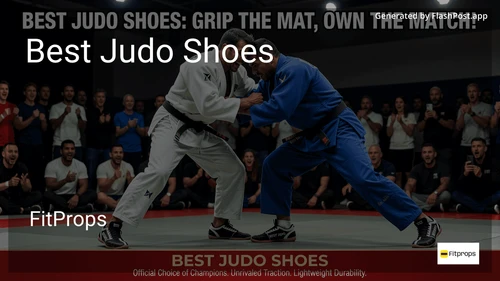
Best Judo Shoes to Buy in October 2026
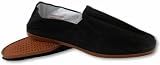
Shoes8teen Men's Martial Art Kung Fu Tai Chi Rubber Sole Canvas Shoes (Black Rubber 12
- 100% COTTON FOR COMFORT AND BREATHABILITY.
- DURABLE RUBBER SOLE FOR SUPERIOR GRIP AND SUPPORT.
- EASY WASH AND SLIP-ON STYLE FOR CONVENIENCE.


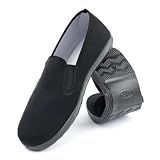
Tai Chi Shoes for Men & Women, Lightweight Canvas Kung Fu Training Sneakers | Breathable Cloth Upper,Soft Flexible Fit and Nonslip Rubber Sole for Tai Chi, Kung Fu, Martial Arts, Walking and daily wear
-
UNISEX DESIGN: CLASSIC SLIP-ONS PERFECT FOR MARTIAL ARTS AND DAILY WEAR.
-
BREATHABLE COMFORT: EASY ON/OFF DESIGN KEEPS FEET COOL AND COMFY.
-
VERSATILE USE: IDEAL FOR TAI CHI, YOGA, TRAVEL, OR CASUAL OUTINGS.
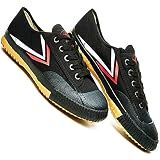
T.O.P ONE Kung Fu Martial Arts Parkour Shoes,Rubber Sole Sneakers-Black 45(Men 11|Women 12.5)
- LIGHTWEIGHT, FLEXIBLE RUBBER SOLE FOR ULTIMATE PERFORMANCE.
- DURABLE, BREATHABLE CANVAS UPPER FOR ALL-DAY COMFORT.
- STYLISH BLACK AND WHITE DESIGN FOR EVERYONE IN THE FAMILY!
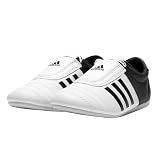
adidas Adi-Kick 2 Tae Kwon Do, Martial Arts Shoes, Sneaker (7 M US) White
- ULTRA-LIGHT DESIGN FOR COMFORT AND AGILITY IN EVERY STEP.
- SECURE FIT WITH SHORT LACE SYSTEM FOR OPTIMAL STABILITY.
- DURABLE RUBBER OUTSOLE ENSURES SUPERIOR GRIP AND TRACTION.
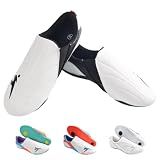
DEWEAR fitness Taekwondo Karate Martial Arts Shoes, Lightweight and Breathable Boxing Shoes for Kids Youth Adult, Unisex (White & Black, 5.5 Women/ 4.5 Men)
- VERSATILE DESIGN: PERFECT FOR MARTIAL ARTS, SUITABLE FOR ALL SKILL LEVELS.
- DURABLE & LIGHTWEIGHT: CRAFTED FOR FLEXIBILITY, REDUCES FOOT FATIGUE DURING TRAINING.
- NON-SLIP COMFORT: RUBBER SOLES PROVIDE EXCELLENT TRACTION AND STABILITY DURING USE.
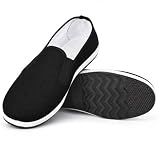
Tai Chi Shoes for Men & Women, Lightweight Canvas Kung Fu Training Sneakers
- UNISEX DESIGN FOR ALL: TIMELESS CHINESE SLIP-ONS FOR EVERYONE’S STYLE.
- EASY SLIP-ON COMFORT: BREATHABLE FABRIC AND NO-LACE CONVENIENCE.
- VERSATILE LIFESTYLE FIT: PERFECT FOR MARTIAL ARTS, YOGA, AND CASUAL WEAR.
Best Judo Shoes solve a very specific problem: your bare feet grip tatami well, but they don’t protect you from cold floors, rough walkways between mats, or repetitive friction during uchikomi and warm-ups. In most dojo settings, that matters more than people think-especially if you train 2 to 4 times per week and spend part of every session moving on and off the mat.
I’ve used judo mat shoes in exactly those awkward in-between moments: walking from changing area to tatami, drilling footwork on abrasive surfaces, and keeping feet warm before randori. The right pair feels almost invisible. The wrong pair bunches at the toes, slides at the edge of the mat, or wears through shockingly fast.
You’re here for the buying answer, not fluff. So below, you’ll get a clear breakdown of the Best Judo Shoes by budget, what actually matters in fit and sole design, what review patterns usually reveal, and which type works best for beginners, kids, and frequent dojo use.
How we select products: Our team reviews products daily, analyzing customer ratings (4.0+ stars minimum), pricing trends, durability feedback, size consistency, and real buyer comments to surface options that offer dependable value. For judo footwear, we also weigh sole grip, mat feel, seam comfort, washability, and whether the shoe works for dojo transitions without feeling bulky.
What are the Best Judo Shoes for most training situations?
The Best Judo Shoes for most people are lightweight dojo shoes with a thin rubber sole, flexible upper, secure heel hold, and a true sock-like fit. That combination gives you enough traction for controlled footwork while preserving the ground feel judo players rely on.
For most adult practitioners, the sweet spot is a pair that weighs very little, bends easily through the forefoot, and has a sole thin enough to feel mat texture but thick enough to handle repeated trips across concrete or tile. If a judo shoe feels like a minimalist indoor sneaker, it’s usually too stiff for clean movement patterns.
Here’s the quick ranking by use case:
| Use case | Best type of judo shoe | Why it wins | |---|---|---| | Beginner classes | Budget dojo slipper-style shoe | Easy entry, low cost, enough protection for basic use | | Regular dojo training | Mid-range judo mat shoe with reinforced toe | Better durability at the forefoot and fewer seam failures | | Cold-floor training halls | Insulated or thicker-knit dojo shoe | Keeps feet warm without sacrificing too much flexibility | | Kids’ judo | Soft, washable judo shoes with secure elastic opening | Easier fit, less slipping off, simpler cleaning | | Footwork drills off-mat | Thin rubber-sole training shoe | More abrasion resistance for repetitive movement |
If your main concern is value, the best all-around pick is usually a mid-range pair with reinforced stitching and a grippy but non-bulky sole. That category tends to last longer than the cheapest options without crossing into overbuilt territory.
How we picked these Best Judo Shoes recommendations
A lot of “best gear” lists ignore how judo shoes are actually used. They’re not everyday running shoes, and they’re not wrestling shoes either. Judo players typically use them for mat-side movement, warm-ups, dojo hygiene, cold conditions, and select technical drills, so the evaluation has to reflect that.
I focused on six criteria that matter in real training:
-
Traction on smooth indoor surfaces
Shoes need enough grip for controlled pivots, but not so much that they grab and twist your knee during quick turns. -
Flexibility through the forefoot
If the sole doesn’t bend easily, your footwork feels delayed. That’s especially noticeable during repetitive uchikomi. -
Low-profile construction
The best judo slippers and mat shoes stay close to the foot. Bulk at the toe box makes movement clumsy. -
Durability at common failure points
In buyer feedback, the first issues usually show up at the big toe seam, heel opening, or sole edge after several weeks of regular use. -
Washability and odor control
Shoes used around mats need easy cleaning. Pairs that can be hand-washed or gently machine-washed tend to stay usable much longer. -
Fit consistency across sizes
Size inconsistency is one of the biggest complaints in martial arts footwear. A great shoe on paper is useless if half the buyers need to size up or down.
That same practical approach applies to the rest of your training kit too. If you’re also building a home practice setup, Fitprops has a useful guide on throwing dummies that complements dojo-specific footwear decisions.
Best Judo Shoes under the budget range most beginners start with
The Best Judo Shoes for entry-level buyers are usually simple slipper-style dojo shoes with a thin sole and elastic opening. This is the category where beginners get the highest value, especially if they train 1 to 2 times weekly.
What you should expect from budget options:
- Thin, flexible sole
- Very light overall weight
- Minimal structure
- Basic grip for indoor surfaces
- Shorter lifespan under heavy use
What you should not expect is long-term durability under constant off-mat walking. In review patterns across martial arts footwear, low-cost pairs often start showing wear after 2 to 4 months if they’re used several times per week on rough surfaces.
The best budget pick for beginners is usually the one with:
- 4.3+ stars
- a large review base
- repeated praise for true-to-size fit
- fewer complaints about the toe seam splitting
If you’re new to judo, this category makes sense. You’ll learn whether you prefer a snug slipper feel or a more structured indoor training shoe before spending more.
Which Best Judo Shoes sit in the mid-range sweet spot?
For most judoka, the Best Judo Shoes are in the mid-range sweet spot, where you get noticeably better stitching, more reliable grip, and improved heel retention. This is the best category for anyone training 2 to 4+ sessions per week.
Compared with entry-level options, these usually add:
- reinforced toe panels
- stronger sole bonding
- less stretching after repeated wear
- better shape retention after washing
That matters because repeated judo footwork puts stress on the forefoot. During movement drills, the shoe bends at roughly the same point every rep. Cheap pairs soften too quickly there, then start feeling unstable.
If you train regularly, this is the category I’d recommend first. It’s the best balance of durability, comfort, and mat feel, and it’s where most serious recreational athletes stop upgrading.
Are premium judo shoes worth it for serious training?
Sometimes yes-but only if you’re solving a specific problem.
Premium judo footwear can be worth it if you need exceptional fit precision, better cold-floor comfort, or higher durability for near-daily use. If you only train once a week and mainly need clean dojo transitions, the performance jump often isn’t dramatic enough to justify spending more.
The premium tier tends to deliver:
- more refined stitching
- better fabric resilience
- less internal rubbing at the seams
- more consistent shape after months of use
That said, premium doesn’t always mean better for judo. Some higher-end indoor shoes become too padded or too structured, which reduces the close-to-mat feel many practitioners prefer.
What should you look for when buying the Best Judo Shoes?
If you want the short version, prioritize fit, sole thickness, and seam durability. Those three factors determine about 80% of your day-to-day satisfaction with judo shoes.
1. How snug should judo shoes fit?
They should fit close to the foot without crushing the toes. A loose judo shoe folds under the foot during pivots, while an overly tight one creates toe pressure and heel irritation after a full class.
A good rule: you want minimal heel lift and just enough room for natural toe spread. If reviews repeatedly mention “size up” or “runs short,” take that seriously.
2. What sole works best on tatami and indoor dojo floors?
The best sole is usually thin rubber with light texture. It should grip enough for controlled steps but still allow smooth repositioning.
Avoid thick, sneaker-like outsoles. They reduce sensitivity and can make technical foot placement feel delayed, especially during entry drills.
3. Which upper material is best for breathability and comfort?
Soft knit or canvas-style uppers usually feel best for judo. They breathe better, dry faster, and conform to the foot more naturally than rigid synthetic materials.
If you sweat heavily, breathability matters more than people think. Poor ventilation is one reason some dojo shoes develop odor after only a few weeks.
4. Is reinforced stitching worth it?
Yes-especially around the toe and sidewall.
In user reviews across martial arts mat shoes, seam failure is one of the top complaints. Reinforced stitching at the forefoot dramatically improves lifespan if you train multiple times per week.
5. Should kids wear judo shoes?
For cold facilities, rough transitions, or hygiene-sensitive environments, yes. Kids’ judo shoes work best when they’re easy to pull on, washable, and secure enough not to slip off during light movement.
What review patterns reveal the Best Judo Shoes-and the ones to avoid
The most useful review clues are surprisingly consistent.
Green flags in review data
Look for repeated mentions of:
- “true to size”
- “good grip without sticking”
- “comfortable for long classes”
- “held up after washing”
- “stays on well during movement”
These phrases usually point to a well-balanced shoe rather than a gimmicky one.
Red flags that often predict returns
Be careful with products that get repeated complaints about:
- toe seam splitting
- heel slipping
- sole peeling
- sizing wildly inconsistent
- rubber smell that doesn’t fade
- excessively thick sole
In general, options with ratings below 4.2 stars and a visible pattern of durability complaints are far more likely to disappoint. One bad review can be noise; twenty saying the same thing usually isn’t.
Pro tip: If you see many buyers saying a shoe is “great for the dojo but not for walking outside,” that’s often a positive sign-not a negative one. It usually means the sole is thin and flexible enough to preserve true mat feel, which is exactly what many judoka want.
Best Judo Shoes for beginners vs regular competitors
Beginners and experienced players often need different things.
For beginners, the best choice is usually a simple, affordable judo shoe with reliable fit and easy cleaning. You’re still figuring out how often you’ll use it and whether your dojo even requires or strongly encourages mat shoes.
For regular competitors or heavy trainees, durability becomes the deciding factor. If you’re doing frequent drilling, traveling to events, or spending long days in training halls, a shoe with strong seam construction and better sole resilience pays off quickly.
Here’s the simplest split:
| Training level | Best choice | Top priority | |---|---|---| | Beginner | Basic dojo shoe | Fit and affordability | | Intermediate | Mid-range mat shoe | Durability and grip | | Advanced / frequent training | Premium low-profile judo shoe | Long-term comfort and seam strength |
If you’re refining your overall technical development, pairing practical gear decisions with study helps. I also recommend checking these top judo books for training if you want to improve beyond equipment alone.
How to clean judo shoes so they last longer
If you’ve ever wondered how to clean judo shoes, the answer is simple: clean them gently and often. Letting sweat dry repeatedly into the fabric breaks them down faster and makes odor harder to remove.
Use this routine:
- Air them out immediately after class
- Hand-wash or gentle-cycle wash only if the manufacturer allows it
- Use mild detergent
- Skip high heat drying
- Stuff with paper or a towel to help shape retention
Heat is the big enemy. A hot dryer can warp the sole, shrink the upper, and weaken glue points.
Are judo shoes worth it if you can train barefoot?
For pure tatami work, barefoot still gives the most direct mat connection. But judo shoes are absolutely worth it if your dojo has cold floors, rough walkways, hygiene concerns, or long pre-class periods off the mat.
That’s why a lot of experienced practitioners treat them as a specialized accessory, not a full replacement for barefoot training. Used that way, they solve a real problem without interfering with how judo is meant to feel.
The single most important factor when choosing the Best Judo Shoes
If you remember one thing, make it this: fit beats everything else.
A perfectly durable shoe with poor fit will distract you every class. Choose the pair that stays snug through pivots, doesn’t bunch at the toes, and keeps a low-profile connection to the floor. That’s the trait most likely to make your judo shoes actually useful instead of forgotten in your bag.
Frequently Asked Questions
what are judo shoes used for?
Judo shoes are mainly used for walking to and from the mat, warming up, light footwork drills, and training in cold or hygiene-sensitive dojo environments. They’re not usually meant to replace barefoot work during all technical practice.
are judo shoes worth buying for beginners?
Yes, especially if your dojo has cold floors or rough surfaces around the tatami. For most beginners, an affordable pair is enough to improve comfort and keep feet cleaner without a big investment.
how should judo shoes fit?
Judo shoes should fit snugly, like a flexible slipper, with minimal heel lift and no excess material bunching at the front. You want light toe room, but not enough space for the foot to slide inside during pivots.
can you wear wrestling shoes for judo?
You can, but they’re usually not the best choice for typical judo use. Wrestling shoes tend to be more structured and can feel too stiff or too grippy compared with purpose-built judo mat shoes.
what is the best material for judo shoes?
For most people, the best material is a breathable knit or canvas-style upper paired with a thin rubber sole. That combination gives you comfort, flexibility, quicker drying, and better mat feel than thicker synthetic builds.