
Best Judo Belts to Buy in October 2026
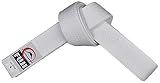
FUJI Sports Judo Belt for Kids and Adults, Training and Competition Judo Uniform Belt, White Color, Size 5
- BUILT TO LAST: DURABLE 280 GSM COTTON WITH FRAY-RESISTANT EDGES.
- PREMIUM FEEL: SOFT, STURDY 100% COTTON FOR SECURE KNOTS AND COMFORT.
- TRUSTED BRAND: FUJI SPORTS, RELIABLE GEAR FOR ALL JUDO PRACTITIONERS.


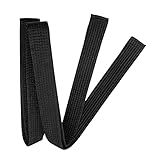
Hithop 8.6ft Long Soft Black Belt for Martial Arts Karate Taekwondo Judo
- DURABLE COTTON-TERYLENE BLEND FOR LONG-LASTING WEAR AND PERFORMANCE.
- DOUBLE-WRAP DESIGN ENSURES A SECURE FIT DURING INTENSE TRAINING.
- VERSATILE 8.6FT LENGTH SUITS VARIOUS MARTIAL ARTS STYLES PERFECTLY.
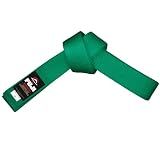
FUJI Sports Judo Belt for Kids and Adults, Training and Competition Judo Uniform Belt, Green Color, Size 4
- DURABLE COTTON TWILL: BUILT TO WITHSTAND YEARS OF RIGOROUS TRAINING.
- PROFESSIONAL FEEL: 100% COTTON ENSURES SECURE KNOTS AND COMFORT ON THE MAT.
- TRUSTED BRAND: FUJI SPORTS, A FAVORITE AMONG JUDOKA FOR QUALITY AND PERFORMANCE.
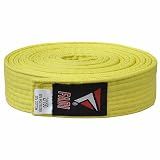
Fadi Sports Martial Arts Belt for Karate, Judo, Aikido and Taekwondo - Durable Cotton-Polyester Blend for Adults and Kids (Yellow, 2)
-
DURABLE COTTON-POLYESTER BLEND: OFFERS COMFORT, FLEXIBILITY, & LONG-LASTING USE.
-
VERSATILE FOR ALL MARTIAL ARTS: SUITABLE FOR KARATE, JUDO, TAEKWONDO, AIKIDO.
-
SECURE FIT WITH TRADITIONAL DESIGN: REINFORCED STITCHING KEEPS BELT TIED SECURELY.
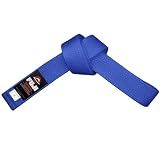
FUJI Sports Judo Belt for Kids and Adults, Training and Competition Judo Uniform Belt, Blue Color, Size 3
- DURABLE 280 GSM COTTON TWILL FOR LONG-LASTING PERFORMANCE.
- 100% COTTON CONSTRUCTION ENSURES COMFORT AND SECURE KNOTS.
- TRUSTED BY EXPERTS, PERFECT FOR ALL JUDO PRACTICE LEVELS.
FANBODTA Premium 220cm/87 White Martial Arts Belt for Taekwondo Karate Judo - Double-Layered Cotton Core, Handcrafted Reinforced Stitching, Durable & Comfortable Unisex Durable (Adult/little hand)
- EXTRA-LONG COMFORT: 220CM BELT FITS ALL SIZES, ENSURING MAXIMUM COMFORT.
- DURABLE DESIGN: DOUBLE-STITCHED SEAMS AND REINFORCED ENDS FOR LONGEVITY.
- ELEGANT & VERSATILE: PRO-GRADE BELT FOR ALL RANKS, STYLISH AND UNISEX.
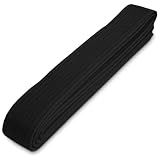
Karate Black Belt for Women, 86.6" Long, Polyester and Cotton Blend Fabric | Black Judo Belt for Taekwondo and Karate; 220 cm Long; Aikido Gi Uniform Element, Durable & Comfortable for Regular Training
- A0 SIZE IDEAL FOR WOMEN: FITS HEIGHT 150–165 CM, WAIST 65–75 CM.
- PREMIUM POLYESTER-COTTON BLEND: DURABLE FOR LONG-LASTING PERFORMANCE.
- LIGHTWEIGHT AND EASY TO CLEAN: PERFECT FOR INTENSE TRAINING SESSIONS.
Best Judo Belts aren’t just colored strips of cotton. A badly made belt loosens every round, twists under grip fighting, and frays so fast that the rank can look years older after one tournament weekend. If you’ve ever had to retie your obi three times in a single randori session, you already know the problem.
A good judo belt should stay tied, match your rank cleanly, and survive hundreds of pulls, sweat-soaked practices, and repeated washes. Below, you’ll get a practical breakdown of the Best Judo Belts by budget, what actually matters before you buy, and the review patterns that separate durable belts from the ones that disappoint.
How we select products: Our team reviews products daily, analyzing customer ratings, construction details, pricing trends, discount history, and real buyer feedback to surface options that provide the best value. For this guide, we prioritized belts with 4.0+ star averages, consistent size accuracy, dense stitching, and repeated praise for knot security during training and competition.
What makes the Best Judo Belts worth buying?
The Best Judo Belts do three things better than average options: they hold a firm knot, keep their shape after washing, and use cotton or cotton-blend fabric dense enough to resist early fraying. In real-world training, that means fewer interruptions and a cleaner fit during nage-komi, uchikomi, and hard randori.
The biggest difference usually shows up in stiffness and stitching. Entry-level belts often feel too soft, which makes them easy to tie but more likely to loosen mid-session. Better belts use 8 to 12 rows of stitching and thicker weave density, which improves structure without making the knot bulky.
If you train 2 to 4 times per week, durability matters more than appearance. Belts with reinforced edges and colorfast dye tend to last noticeably longer, especially if you wash them occasionally instead of letting sweat and mat dust build up.
How we picked these Best Judo Belts
I looked at the same factors experienced judoka usually care about after a few months on the mat: knot security, break-in time, stiffness, shrinkage, color retention, and whether the stated length is actually accurate. That matters because a belt that runs even 2 to 3 inches short can be annoying to tie correctly over a thicker gi.
Review analysis also tells a clear story. Belts with strong long-term feedback usually mention:
- Minimal loosening during randori
- Straight, even stitching
- Low shrinkage after washing
- Consistent thickness from end to end
- Rank colors that don’t fade quickly
Meanwhile, weaker options attract the same complaints again and again:
- Ends fray after 2 to 3 months
- Knot slips loose during drills
- Belt feels paper-thin compared with competition belts
- Color bleeds onto a white gi after early washes
- Sizing chart doesn’t match real fit
That combination of hands-on use patterns and review consistency is what separates the Best Judo Belts from cheap placeholders.
What to look for before you buy the Best Judo Belts
If you want a belt that feels right from day one and still looks respectable a year later, focus on these five criteria.
1. What material works best for a judo belt?
100% cotton is still the standard for most serious training belts because it grips well, ties securely, and breaks in naturally over time. Cotton-blend belts can dry faster, but they sometimes feel slicker, which can make the knot less stable during intense movement.
For most adults, a dense cotton weave is the safest pick. It balances comfort with enough structure to keep the belt from folding flat like a ribbon.
2. How stiff should a judo belt be?
A belt that’s too soft often loosens quickly. A belt that’s too stiff can feel awkward for the first few weeks and create a bulky knot.
The sweet spot for regular practice is moderate stiffness. It should hold shape in your hands but still cinch down cleanly around the waist without fighting you.
3. How long should a judo belt be?
Most judoka want enough length to wrap twice and leave 6 to 10 inches hanging on each side after tying. That range gives you a neat knot without excessive tail length flapping during movement.
If you wear a heavier gi or prefer a competition-style tie, sizing up slightly can help. If you’re buying for a child, pairing belt length correctly with the best best kids judo gi matters more than many parents expect, because thick youth uniforms can change how the belt fits by several inches.
4. How many rows of stitching are enough?
For regular dojo use, look for at least 8 rows of stitching. Belts with 10 or more rows generally hold shape better and resist twisting, especially if you train standing-heavy sessions with lots of grip exchanges.
This isn’t just cosmetic. More stitching usually means better long-term structure and slower edge wear.
5. Is an embroidered belt worth it?
For daily training, plain belts are usually the better value because there’s less chance of embroidery pulling or creating uneven wear. Embroidery makes more sense for black belts, gifts, or long-term rank milestones than for fast-growing beginners or kids.
Best Judo Belts under the entry-level budget
The best low-cost belts are usually ideal for beginners, kids moving through early ranks, or anyone who needs a backup belt for travel. In this category, the winning formula is simple: accurate color, decent stiffness, and no major shrinkage issues.
Look for these features in budget-friendly picks:
- 4.2+ star average
- At least 8 rows of stitching
- Cotton or cotton-heavy blend
- Clean color consistency across the belt
- Sizing feedback that mentions “true to chart”
A good beginner belt doesn’t need luxury finishing. It just needs to stay tied through class and survive regular washing without warping.
Best for beginners: a mid-thickness cotton belt with reliable knot hold and straightforward sizing. That’s usually a smarter buy than the absolute cheapest option, where slipping knots and inconsistent length are common complaints.
The $25 to $50 sweet spot: where the Best Judo Belts usually live
For most adult judoka, this is the value zone. Belts in this range tend to have denser weave, cleaner stitching, better edge finishing, and more predictable break-in over the first 10 to 20 sessions.
If you train several times a week, this tier is often the best balance of performance and longevity. You’re not paying for extras as much as you’re paying for fewer annoyances: less loosening, less twisting, and slower fraying.
The strongest options in this bracket usually offer:
- Better knot stability during randori
- Thicker, more even construction
- Less fading after repeated washes
- More consistent length from batch to batch
- Longer usable life for frequent training
Best overall for most people: a medium-stiff, 100% cotton belt with 8 to 12 stitch rows and strong review history for staying tied during live rounds.
Premium picks: who should spend more on the Best Judo Belts?
Premium belts make the most sense for black belts, competitors, and coaches who wear the same belt for years. The jump in quality is usually noticeable in the hand feel: denser core, cleaner stitching lines, and more polished edge construction.
That said, not every advanced judoka needs a premium option. If you train 1 to 2 times weekly, a strong mid-range belt often performs nearly as well in practical use.
Spend more if you want:
- A belt that ages well over several years
- Better color depth and appearance
- More structured knot presentation
- Higher stitch density and cleaner finish
- Optional embroidery for long-term rank use
Best premium use case: long-term black belt wear, competition presentation, or coaching. For most colored belts, mid-range options remain the smarter value.
Best Judo Belts for beginners vs competitors
Not every belt should be judged by the same standard. A first white belt and a long-term black belt serve very different needs.
Best judo belt for beginners
Beginners do best with a belt that’s easy to tie, moderately soft, and forgiving during the first few weeks. Ultra-stiff belts can be frustrating if you’re still learning the proper knot.
A beginner-friendly pick should prioritize:
- Easy break-in
- True-to-size fit
- No scratchy edges
- Reliable knot hold in basic drills
Best judo belt for competition
Competitors usually prefer more structure. A firmer belt gives a tidier look, stays flatter around the waist, and often holds tension better through explosive gripping exchanges.
For competition use, prioritize:
- Higher weave density
- Strong edge reinforcement
- Minimal twisting
- Cleaner presentation after repeated tying
If you’re building a full kit, pairing your belt with a solid judo rash guard for training can also make heavy drilling days more comfortable, especially during cold starts or high-volume sessions.
What reviews reveal about weak judo belts
Patterns show up fast in belt reviews. Products with lower satisfaction almost always get criticized for the same three failures: slipping knots, sizing inconsistency, and premature fraying.
Here’s the biggest red flag: if multiple buyers say the belt feels thin “like a karate belt” or “too soft for judo,” pay attention. Judo puts more stress on the knot and waist wrap because of grip fighting, throws, and constant adjustment under a heavier gi.
Red flags to watch before you buy
- Ratings below 4.0 stars
- Repeated complaints about color bleeding
- Reviews saying the belt shrank dramatically after one wash
- Photos showing edge fray after a few weeks
- Thin construction with very flat profile
- No detail about material composition or stitching
Definitive rule: if a belt has frequent comments about retying during class, skip it. Knot security is one of the clearest signs of a well-made judo belt.
Best Judo Belts comparison table
Here’s a simple way to compare the main categories.
| Belt Category | Best For | Typical Feel | Main Strength | Main Tradeoff | |---|---|---|---|---| | Entry-level | Beginners, kids, backup belt | Softer to medium | Lower cost, easier break-in | Faster wear, less structure | | Mid-range | Most adult judoka | Medium stiffness | Best value, better knot hold | Slightly longer break-in | | Premium | Black belts, coaches, competitors | Medium-firm to firm | Long lifespan, polished finish | Costs more than most need |
If you want the shortest answer possible, here it is: the Best Judo Belts for most people are mid-range cotton belts with 8 to 12 stitch rows and consistent sizing feedback.
How to choose the right size without guessing
Sizing errors cause more returns than color issues or stitching complaints. The cleanest method is to measure around your waist while wearing your gi jacket, then compare that number against the maker’s chart instead of buying your usual pants size.
A belt that’s too short is more annoying than one that’s slightly long. You can manage an extra inch or two, but a short belt often produces uneven tails and a knot that loosens faster because there isn’t enough material to cinch properly.
Pro tip: Wash behavior matters. Cotton belts can shrink by roughly 2% to 5% depending on weave and water temperature, so if you’re between sizes, the larger option is usually safer.
Is a more expensive judo belt actually worth it?
Sometimes yes, often no. The biggest improvement happens when you move from a bargain belt to a solid mid-range belt; the performance jump from mid-range to premium is smaller and matters mostly to black belts, competitors, and long-term users.
If you’re a new student, you probably won’t notice enough difference to justify overspending. If you’ve been training for years, you’ll likely appreciate the tighter construction, better knot behavior, and slower wear.
The single most important buying tip
If you only check one spec, check stitching and knot-hold feedback. A judo belt can look great in photos, but if reviews repeatedly mention slipping during randori, it’s not one of the Best Judo Belts no matter how clean the finish looks.
For most readers, the smartest pick is a mid-range cotton belt with 8+ stitch rows, accurate sizing, and strong comments about staying tied during live training.
Frequently Asked Questions
what is the best material for a judo belt?
The best material for most judoka is 100% cotton because it offers better grip, more reliable knot security, and a natural break-in feel. Cotton blends can work, but they’re more likely to feel slick or less structured during hard training.
how long should a judo belt be?
A judo belt should be long enough to wrap twice around your waist and leave about 6 to 10 inches on each end after tying. If you wear a thicker gi or prefer a competition-style knot, going slightly longer is usually the safer choice.
is an expensive judo belt worth it for beginners?
Usually not. Beginners get the best value from a well-reviewed entry-level or mid-range belt, since premium construction matters more once you’re training frequently or wearing the same rank for years.
how do I stop my judo belt from coming undone?
Start by checking whether the belt is too soft, too short, or tied incorrectly. Belts with denser cotton weave and stronger stitch structure usually stay secure much better during randori than thin, slippery options.
what are the Best Judo Belts for daily training?
The Best Judo Belts for daily training are typically mid-range cotton belts with 8 to 12 rows of stitching, moderate stiffness, and consistent feedback about knot hold. That combination gives you the best balance of comfort, durability, and value over months of regular dojo use.