Best Judo Books to Buy in October 2026
Kodokan Judo: The Essential Guide to Judo by Its Founder Jigoro Kano


Judo Unleashed!: The Ultimate Training Bible for Judoka at Every Level (Revised and Expanded Edition)
Kodokan Judo Throwing Techniques
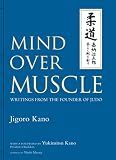
Mind Over Muscle: Writings from the Founder of Judo
- AFFORDABLE PRICING ON HIGH-QUALITY SECOND-HAND BOOKS.
- DETAILED DESCRIPTIONS ENSURE TRANSPARENCY AND TRUST.
- ENVIRONMENTALLY FRIENDLY CHOICE: REUSE AND RECYCLE BOOKS!
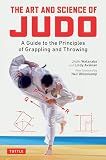
The Art and Science of Judo: A Guide to the Principles of Grappling and Throwing
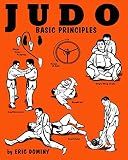
Judo: Basic Principles
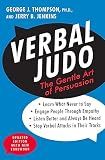
Verbal Judo: The Gentle Art of Persuasion, Updated Edition
A Guide to Judo Throwing Technique: with additional physiological explanations
Judo Formal Techniques: A Basic Guide to Throwing and Grappling - The Essentials of Kodokan Free Practice Forms
Best Judo Books aren’t just reading material-they’re often the cheapest way to fix a bad grip habit, understand kuzushi, or finally make sense of why your throw works on Tuesday and fails on Thursday. A single well-chosen judo instruction book can save months of guesswork, especially if you train only 2-3 times per week and can’t get endless mat time.
I’ve spent years around judo clubs, technique manuals, and old-school martial arts libraries, and one pattern keeps showing up: the books that actually help are rarely the ones with the flashiest covers. The most useful ones explain mechanics, timing, posture, gripping sequences, and rules context in a way you can revisit after class, not just admire on a shelf.
How we select products: Our team reviews products daily, analyzing customer ratings, edition history, reader feedback, instructional depth, image clarity, author credentials, and long-term usefulness to surface options that deliver real value. For this list, the baseline was simple: books had to be consistently recommended by judoka, technically credible, and useful for a specific skill level or goal.
Below, you’ll get a practical breakdown of the Best Judo Books by skill level and budget, what separates a great judo book from a mediocre one, and which types are actually worth buying for beginners, competitors, coaches, and kata-focused readers.
What are the Best Judo Books for most readers?
If you want the short answer, the Best Judo Books for most people fall into four categories:
- Beginner fundamentals books with clear photos and step-by-step breakfalls, grips, and basic throws
- Technical manuals that explain kuzushi, tsukuri, and kake in real detail
- Competition-focused books covering gripping strategy, combinations, transitions, and rules
- Historical or philosophical judo books that explain Kano’s system, randori culture, and judo principles
For the average recreational judoka, the best first buy is usually a fundamentals-focused instructional book with strong visual sequencing and plain-English coaching points. If you already know the names of 20+ throws and train regularly, a specialized technical text will give you more value than another beginner overview.
Our selection criteria: how we picked the Best Judo Books
A lot of martial arts book lists are just recycled titles with no filtering. That’s not useful if you’re deciding whether a book will actually improve your judo technique, help with competition prep, or just sit untouched in your gym bag.
Here’s what mattered most in this roundup:
1. Technical accuracy and author credibility
Judo books age differently than trend-driven fitness books. A 20-year-old title can still be excellent if the instruction is precise, the terminology is correct, and the author has real coaching, competitive, or teaching credibility.
The strongest books consistently explain:
- Kuzushi (off-balancing)
- Tsukuri (entry)
- Kake (execution)
- Grip fighting and posture
- Transitions into newaza
- Common counters and reactions
2. Photo quality, diagrams, and movement sequencing
A judo throw happens fast, but a useful book slows it down into readable phases. Books with multi-angle photos, foot placement detail, and sleeve-lapel grip visibility are dramatically easier to learn from than books using only a single still image per technique.
As a rule, the best instructional books show:
- Start position
- Grip placement
- Hip or foot entry
- Off-balance direction
- Finish position
- Common failure points
3. Skill-level fit
One reason people get disappointed with martial arts books is simple: they buy the wrong level. A beginner doesn’t need an advanced text on tactical grip sequences from opposite-sided play; an experienced competitor won’t get much from 100 pages on ukemi basics.
That’s why the Best Judo Books aren’t one-size-fits-all. The right pick depends on whether you need judo for beginners, competition tactics, kata reference, or a deeper understanding of the art’s history.
4. Re-read value
The best books are the ones you return to. If a book gives you three specific coaching points for seoi-nage, two grip entries for osoto-gari, and one clean fix for defensive posture, it becomes a training tool-not decoration.
Best Judo Books under a low budget: where beginners get the most value
If you’re trying not to overspend, entry-level judo books usually give the best return. In most cases, a budget-friendly fundamentals book beats a dense advanced manual because you’ll actually use it after every class.
Best low-cost choice: beginner fundamentals books with full-photo instruction
For new students, the strongest low-budget options usually focus on:
- Ukemi and safety
- Basic etiquette and terminology
- Core throws like osoto-gari, o-goshi, de-ashi-barai, and ippon seoi-nage
- Introductory hold-downs, escapes, and turnovers
- Competition basics and scoring terms
These books work because they reduce confusion in your first 6-12 months. If you’ve ever blanked on the difference between tai-otoshi and seoi-nage mechanics, a clean beginner manual is worth far more than a prestige title you can’t yet apply.
Who should buy in this bracket?
This category is best for:
- White belts and early color belts
- Parents buying for junior judoka
- BJJ students cross-training judo
- Readers who want a visual reference after class
If you train fewer than 3 times per week, a fundamentals book is especially useful because it keeps technical details fresh between sessions.
Best Judo Books in the mid-range sweet spot: the smartest buy for regular training
For most readers, the sweet spot is a mid-range instructional or tactical book that goes beyond names of throws and explains how to make them work against resistance.
This is where the Best Judo Books usually live.
Best overall value: technical books that connect standing and ground transitions
A great mid-range judo book should explain not just a throw, but also:
- What grip starts it
- What reaction triggers it
- Which combination follows if it fails
- How to continue into osaekomi, turnover, or submission setup where rules allow
That extra layer matters. Good judoka don’t attack in isolated moves-they chain actions. The books that teach those chains are the ones readers keep citing years later.
Why this bracket wins for most adults
If you already know the basics, a slightly more advanced book gives better long-term value because it helps with:
- Randori problem-solving
- Grip fighting strategy
- Competition pacing
- Left-vs-right tactical adjustments
- Throw combinations and counters
A mid-level technical manual is often the best buy for anyone training consistently for local tournaments, grading exams, or coaching support.
Best premium Judo Books for serious competitors, coaches, and historians
Premium judo books are usually worth it only if they offer something standard manuals don’t: elite tactical detail, high-end photography, deep historical research, or complete kata reference.
Best premium pick for performance: advanced competition and strategy books
If you compete regularly, look for books covering:
- Dominant sleeve-and-lapel grip sequences
- Breaking posture in modern rule sets
- Transition windows after failed throws
- Penalty management and tactical pacing
- Specific entries from same-sided and opposite-sided stances
These books tend to help most once you’ve got at least 2-3 years of consistent mat time. Before that, the information can be accurate but overwhelming.
Best premium pick for deeper study: history, principles, and kata texts
Some of the Best Judo Books aren’t about tournament wins at all. They’re about understanding Kano’s educational model, classical technique structure, etiquette, kata logic, and judo’s evolution from self-defense and physical education into modern sport.
That kind of book won’t improve your uchimata tomorrow. It will, however, make you a more literate judoka-and often a better coach.
What to look for in the Best Judo Books before you buy
A good cover and famous name aren’t enough. If you want a book that helps on the mat, check these five criteria.
1. Does it match your current level?
A beginner book should teach:
- Ukemi
- Posture
- Grips
- Core throws
- Pins and escapes
An advanced book should cover specific tactical scenarios, not repeat basics for 80 pages. If the table of contents looks too broad and too shallow, that’s usually a warning sign.
2. Are the photos actually teachable?
Look for books where you can clearly see:
- Hand placement on gi grips
- Foot direction
- Hip position
- Head alignment
- Finish angle
If the images are dark, blurry, or too small to show kuzushi direction, the book will frustrate you fast.
3. Does it explain why the technique works?
The Best Judo Books don’t just tell you where to put your foot. They explain timing, balance transfer, and the opponent reaction that makes the throw available.
That “why” is what separates a book you outgrow in a week from one you use for years.
4. Does it include mistakes and counters?
Books become much more useful when they mention:
- Common beginner errors
- Defensive reactions
- Follow-up attacks
- Counterthrow risks
- Safe breakfall implications
A throw shown in perfect demo conditions is only half the lesson.
5. Is the layout easy to revisit after class?
The best judo instruction books are scannable. Short captions, step numbers, indexed techniques, and clear section breaks matter more than people realize when you’re tired after training and trying to review tomoe-nage mechanics in 5 minutes.
Pro tip: Books that organize techniques by family and tactical use-such as foot sweeps, hip throws, sacrifice throws, and turnover chains-are usually easier to apply than books that present 100 techniques in random order.
Best Judo Books by reader type
Different readers need different tools. Here’s the clearest way to narrow your choice.
| Reader type | Best type of judo book | Why it works best | |---|---|---| | Beginner | Fundamentals manual | Builds terminology, breakfalls, basic throws, and confidence | | Recreational adult | Mid-level technical guide | Helps connect grips, entries, and combinations | | Competitor | Tactical/competition book | Improves grip fighting, transitions, and match decision-making | | Coach | Teaching-oriented reference | Offers drills, error correction, and structured explanations | | Martial arts historian | Principles/history text | Explains the roots, philosophy, and evolution of judo | | Cross-trainer from BJJ or wrestling | Stand-up focused instructional book | Fills in posture, off-balancing, and throwing mechanics quickly |
What the reviews say: red flags to watch before buying a judo book
Reader reviews are often brutally accurate about martial arts books. The same complaints show up again and again.
Red flag #1: too many techniques, too little explanation
Books promising “complete” coverage sometimes cram in 80-150 techniques with barely a paragraph each. That sounds impressive, but it usually means less actionable instruction.
If you’re still learning setup and timing, depth beats volume every time.
Red flag #2: poor photography or unclear grips
In judo, a hidden sleeve grip can ruin the whole lesson. Reviews frequently criticize books where the author’s body blocks the key detail or where the sequence jumps from entry to finish with no visible transition.
Red flag #3: outdated rules without context
Older books can still be excellent, but they need context. If a title teaches tactical habits that don’t translate cleanly to current shiai conditions, you’ll need to separate timeless mechanics from outdated competition specifics.
Red flag #4: no newaza connection
A pure throwing book can still be useful, but many readers regret buying books that stop the moment uke lands. Modern training rewards continuity, so at least some attention to pins, turnovers, and follow-up control adds real value.
💡 Did you know: Judoka often retain technical details better from books that pair sequence photos with one-sentence coaching cues than from long blocks of text. That’s because throws are spatial skills, and visual chunking makes review faster between training sessions.
Is a judo book worth buying if you already train at a club?
Yes-if the book solves a specific problem your class time can’t cover in depth.
Club instruction gives live feedback, which no book can replace. But the Best Judo Books help you review terminology, remember details from class, study combinations, and understand concepts like off-balancing, gripping strategy, and transition timing at your own pace.
The key is to use the book as a supplement, not a substitute. One strong technical manual plus regular mat time is more useful than five random books and no drilling.
How to choose between a beginner manual and an advanced judo technique book
Ask yourself one blunt question: Can you already explain the basic mechanics of your top five throws without guessing?
If the answer is no, buy a beginner or intermediate fundamentals text. If the answer is yes-and you’re now struggling with entries against resistance, tactical gripping, or chaining attacks-move up to a more advanced book.
Buy a beginner-focused book if:
- You’re under 12 months into training
- You still mix up major throw families
- You need better ukemi and posture basics
- You want a reference for grading syllabus material
Buy an advanced book if:
- You compete regularly
- You already have 2-3 reliable tokui-waza options
- You want better combinations, counters, and transitions
- You’re coaching or studying judo theory in more depth
Final recommendation: which of the Best Judo Books should you buy first?
If you’re buying just one title, choose the book that best matches your current mat problem, not your long-term ambition. For most readers, that means a clear, photo-rich technical book covering fundamentals, grips, entries, and basic transitions rather than the most advanced or famous option.
That single decision matters more than anything else. The best first judo book is the one you’ll actually open after training, use to fix one technique this week, and still reference six months from now.
Frequently Asked Questions
What is the best judo book for beginners?
The best judo book for beginners is usually a fundamentals-focused manual with clear photos, basic throws, ukemi instruction, and simple terminology. Look for one that explains grips, posture, and common mistakes instead of just listing technique names.
Are old judo books still worth buying?
Yes, many older judo books are still excellent because core mechanics like kuzushi, tsukuri, and kake haven’t changed. Just be careful with competition-specific advice, since modern rules and tactical trends may differ from what older books describe.
How to choose the best judo book for competition training?
Choose a book that covers grip fighting, combinations, transitions, and tactical decision-making under resistance. If it only shows polished demonstration throws without entries, reactions, or counters, it’s probably not the best fit for shiai preparation.
Is a judo book worth it if I already have a coach?
Yes, because a good book helps you review details between classes and retain what your coach showed at full speed. It won’t replace live correction, but it can make your mat time more productive by giving you a structured reference.
What should I look for in the Best Judo Books before buying?
Prioritize level-appropriate instruction, visible grips, step-by-step sequencing, and explanation of why each technique works. The most useful books also include errors, counters, and follow-up transitions so you can apply the material in real training.