
Best Static Ropes for Ascenders to Buy in October 2026
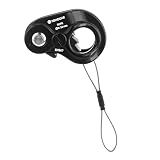
NewDoar Rope Ascender Lightweight Rope Clamp Ascender Riser Adjuster Fits 8-13mm Rope Self-Locking Grip for Rock Climbing,Protection Rescue,Rappelling,Gear Equipment(Black,Serrated Teeth)
-
ULTRA-LIGHT & PORTABLE DESIGN: WEIGHS JUST 60G FOR EASY CARRYING.
-
RELIABLE GRIP WITH SERRATED TEETH: ENSURES SECURE HOLD ON ROPES.
-
HIGH-STRENGTH ALUMINUM CAM: PROVIDES 25KN STRENGTH FOR SAFETY.


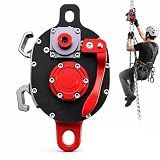
HPMCVE Rope Ascender, Drill Powered Lifting and Lowering, 150kg
- STREAMLINED OPERATION WITH DRILL-POWERED VERTICAL ROPE LIFTING.
- ENHANCED SAFETY WITH MECHANICAL ROPE CONTROL AND LOCKING FEATURE.
- VERSATILE USE WITH ADJUSTABLE TORQUE AND TWO COLOR OPTIONS AVAILABLE.
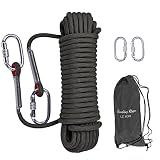
LZ.MZXU Climbing Rope, 12mm Static Rappelling Rope, Black, 165FT(50M)
- DURABLE AND ADAPTABLE: HIGH-STRENGTH POLYESTER FOR TOUGH OUTDOOR USE.
- CERTIFIED SAFETY: MEETS CE STANDARDS; MAX LOAD OF 1900 KG (4188 LBS).
- VERSATILE OPTIONS: CHOOSE FROM MULTIPLE COLORS AND LENGTHS FOR ANY NEED.
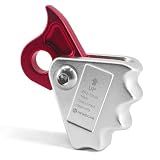
NewDoar Rope Grab Ascender 15KN Riser Adjuster Fits 12mm Rope for Rocking Climbing Protection Rescue(Red)
- LIGHTWEIGHT AND DURABLE: 7075 ALUMINUM ALLOY, ANTI-CORROSION DESIGN.
- CERTIFIED SAFETY: EU CE1019 EN341 CERTIFIED FOR RELIABLE FALL PROTECTION.
- VERSATILE USE: IDEAL FOR CLIMBING, RESCUE, TREE WORK, AND MORE.
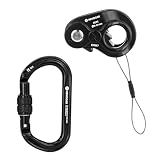
NewDoar Rope Ascender Lightweight Rope Clamp Ascender Riser Adjuster Fits 8-13mm Rope Self-Locking Grip for Rock Climbing,Protection Rescue,Rappelling,Gear Equipment(Black Serrated+Screwgate Lock)
- SERRATED TEETH ENSURE A SECURE GRIP WITHOUT DAMAGING THE ROPE SHEATH.
- ULTRA-LIGHTWEIGHT AT 60G, COMPACT DESIGN FOR ULTIMATE PORTABILITY.
- HIGH-STRENGTH ALUMINUM CAM PROVIDES RELIABLE FALL PROTECTION.
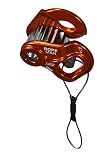
Wild Country Ropeman 1 Ascender - Orange - One Size | Forged Sideplates, Strong, Lightweight Rope Clamp for Climbing, Hunting, & Rigging
- BESTSELLING PRODUCT FOR 10 YEARS! TRUSTED ASCENDER FOR ALL CLIMBING NEEDS.
- PERFECT FOR HAUL ROPES! COMPATIBLE WITH 10-13MM, VERSATILE USAGE.
- LIGHTWEIGHT & STRONG! FORGED PLATES ENHANCE STRENGTH WHILE REDUCING WEIGHT.
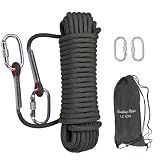
LZ.MZXU Climbing Rope, 12mm Static Rappelling Rope, Black, 100FT(30M)
-
TOP-NOTCH DURABILITY AND SAFETY COMPLIANCE: CE CERTIFIED FOR PEACE OF MIND.
-
CHOOSE FROM VARIOUS COLORS AND LENGTHS TO SUIT YOUR ACTIVITIES.
-
COMPLETE PACKAGE WITH CARABINERS AND CARRYING BAG FOR CONVENIENCE.
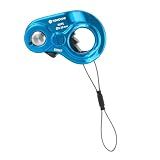
NewDoar Rope Ascender Lightweight Rope Clamp Ascender Riser Adjuster Fits 8-13mm Rope Self-Locking Grip for Rock Climbing,Protection Rescue,Rappelling,Gear Equipment(Blue,Serrated Teeth)
- LIGHTWEIGHT & PORTABLE: ONLY 60G, EASY TO CARRY ANYWHERE.
- RELIABLE GRIP: SERRATED TEETH ENSURE SECURE, SHEATH-FRIENDLY HOLD.
- VERSATILE USE: IDEAL FOR CLIMBING, RESCUE, AND FALL PROTECTION PROJECTS.
Understanding Static Rope for Ascenders
When it comes to climbing, whether you're a seasoned pro or an adventure enthusiast, understanding the type of rope you're working with is crucial. Static ropes are the backbone of ascenders, designed specifically for efficient and safe climbing. Unlike dynamic ropes, which are meant to stretch to absorb falls, static ropes have minimal elongation and are perfect for specific climbing scenarios where ascenders are used. Let's dive into what makes these ropes essential and how to choose the best static rope for ascenders.
Why Choose a Static Rope for Ascenders?
Static ropes have several distinct advantages that cater specifically to climbers using ascenders:
- Minimal Stretch: Static ropes have very little give, making them ideal for situations where you need stability and consistent performance, such as ascending.
- Improved Control: The lack of stretch provides climbers with more control during ascents, enhancing safety and precision.
- Durability: These ropes are made from robust materials that resist wear, ensuring longevity despite frequent use.
Understanding these benefits is the first step in choosing the right rope for your ascents.
How to Choose the Best Static Rope for Ascenders
Choosing the right static rope involves several considerations. Here’s a guide to help you make an informed decision:
1. Diameter and Length
- Diameter: Typically ranges from 9mm to 13mm. Thicker ropes offer more abrasion resistance and durability, while thinner ropes are lighter and easier to handle.
- Length: Choose a length that suits your particular climbing activities and environment. Consider future uses, too, as having extra length can sometimes be beneficial.
2. Material Composition
- Nylon: Commonly used, offers a balance of strength and durability.
- Polyester: Less stretch than nylon, making it excellent for ascenders.
3. Weight Considerations
- Lighter ropes are easier to carry, which can be crucial during long ascents. However, they may also compromise on durability.
- Always weigh the pros and cons of lighter vs. heavier ropes in relation to your climbing needs.
4. Handling and Flexibility
- Ensure the rope feels good in hand and can easily fit through your ascender device.
- Flexibility in a static rope enhances maneuverability without compromising safety.
5. Safety Certifications
- Look for certifications from recognized bodies that test and endorse climbing equipment, ensuring the rope meets industry safety standards.
Key Features to Look For
- High abrasion resistance
- Water-repellent properties
- UV resistance, especially for outdoor, prolonged use
Common Misconceptions about Static Ropes
Despite their wide use, static ropes are sometimes misunderstood. Here are a couple of common misconceptions:
- Static ropes are for all climbing scenarios: They are not suitable for lead climbing due to their lack of stretch.
- Thicker ropes are always better: While thicker ropes offer more durability, they can be heavier and more challenging to handle.
FAQs
What is the difference between static and dynamic ropes?
Static ropes have minimal stretch and are primarily used for ascending, rappelling, or hauling heavy loads. Dynamic ropes, on the other hand, are designed to stretch to absorb the impact of falls, making them suitable for lead climbing.
Can static ropes be used for rappelling?
Yes, static ropes are commonly used for rappelling due to their low stretch and high level of control.
How do I care for my static rope?
Regularly inspect your rope for wear and tear, keep it clean, and store it in a cool, dry place. Avoid exposing it to chemicals and direct sunlight for extended periods.
Are static ropes suitable for rescue operations?
Yes, they are often used in rescue operations due to their strength, control, and reliability.
Additional Resources
While focusing on static ropes for ascenders, consider supplementing your climbing gear knowledge. Check out this guide on the best jump ropes for cardio for fitness training and these jump rope mat reviews to enhance your exercise regimen with the right accessories.
Conclusion
Choosing the best static rope for ascenders requires understanding your specific needs and the features that different ropes offer. By considering aspects like diameter, material, and certifications, you can ensure you're making a choice that prioritizes safety and performance. Happy climbing!