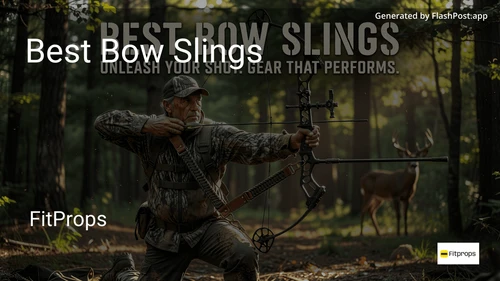
Introduction: The Importance of a Quality Bow Sling
Imagine you're out on a hunting expedition or participating in a competitive archery tournament. You've got your bow perfectly set up, but something is missing-a bow sling. Often overlooked, the bow sling is an essential component of your archery gear. It provides not only convenience but also safety, allowing you to carry and handle your bow with ease. Whether you're a seasoned expert or a beginner delving into this addictive hobby, understanding the role of a bow sling can elevate your archery experience significantly.
What is a Bow Sling?
A bow sling is a device used to hold and carry a bow. Typically, it's a strap made from materials like leather, nylon, or paracord. It can be attached to your bow and often has adjustable features to provide optimal comfort and fit. Primarily, a bow sling ensures that your bow is always within reach while your hands are freed up for other tasks.
Benefits of Using a Bow Sling
- Hands-Free Carrying: The primary function of a bow sling is to allow archers to carry their bow conveniently without needing to use their hands.
- Enhanced Stability: A sling adds a layer of stability, especially when drawing the bowstring, as it provides an extra point of contact.
- Added Comfort: By distributing the bow's weight more evenly across your body, it minimizes fatigue during extended hunting or archery sessions.
Types of Bow Slings
Wrist Slings
Wrist slings are attached to the bow and looped around the archer's wrist. They offer added security, ensuring the bow isn’t dropped from your hand during the shot. Often favored by target archers, they provide a consistent grip without impeding your shot dynamics.
Shoulder Slings
Shoulder slings distribute the weight of the bow across one shoulder. They are excellent for carrying the bow over long distances and are particularly useful for hunters traversing difficult terrain.
Three-Point Slings
These are more complex, designed for extensive carrying with added stability. Three-point slings attach at multiple places on the bow, offering versatility in how you carry and draw your bow.
How to Choose the Best Bow Sling
Choosing the best bow sling involves considering several practical factors:
Material
- Durability: Look for materials such as leather, neoprene, or high-grade nylon.
- Weight: A lightweight material will make your archery experience more comfortable.
Adjustability
- Fit: Ensure the sling is adjustable to fit your body and bow size.
- Customization: Some slings allow for custom adjustments to better suit your shooting style.
Comfort
- Padding: Padded slings distribute the weight more evenly and reduce shoulder or wrist strain.
- Breathability: Especially important for long sessions to prevent discomfort and overheating.
Compatibility
- Consider whether the sling is compatible with your specific bow type and model. Check attachment points to ensure a secure fit.
Maintaining Your Bow Sling
To get the best longevity from your bow sling, regular maintenance is required. Clean it regularly to remove dirt and debris. Check for signs of wear and tear, particularly at the attachment points. For leather slings, consider applying a leather conditioner to prevent cracking and dryness.
FAQs About Bow Slings
Q1: Are bow slings necessary for new archers?
Absolutely. A bow sling offers stability and security, making it a valuable tool for beginners who are learning to manage their gear efficiently.
Q2: Can a bow sling affect my shooting accuracy?
On the contrary, a good bow sling can improve your shooting accuracy by providing a steady support base when drawing the bowstring.
Q3: How do I attach a bow sling to my compound bow?
Most bow slings come with specific instructions for attachment. Generally, wrist slings attach to the bow’s stabilizer, while shoulder slings are looped over the bow's limbs.
Q4: How do I choose between different types of bow slings?
Consider how you'll primarily use your bow. For hunting, a shoulder sling might be more practical. For target practice, a wrist sling could provide better support.
Conclusion
Investing in the right bow sling can elevate your archery experience, providing comfort, safety, and convenience. As you tailor your equipment to your needs, explore top youth archery equipment and learn about top archery finger tabs for better performance and enjoyment in your archery journey. With the right bow sling, you'll be well-equipped to enjoy every moment on the range or in the field!