
Best Judo Gis for Men to Buy in October 2026
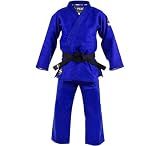
FUJI Double Weave Judo GI Thick Collar Cotton-Blend Judo Uniform, Blue, 3.5
- IJF APPROVED & COMFORTABLE: MEETS ALL SPECS FOR TOP TRAINING & COMPETITION.
- DURABLE QUALITY: REINFORCED SEAMS ENSURE LASTING PERFORMANCE & VALUE.
- TRUSTED BY EXPERTS: PREFERRED BY RENOWNED JUDO CENTERS NATIONWIDE.


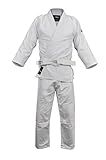
FUJI Single Weave Judo Gi Uniform, Cotton Blend Training Gi for Kids Adults | Single weave judo gi with cotton blend, white belt, design and comfortable fit for kids and adults, made for training use.
- ENHANCE SKILLS: BOOST AGILITY AND COMFORT IN EVERY JUDO TECHNIQUE.
- PERFECT FIT FOR ALL: AVAILABLE IN SIZES FOR MEN, WOMEN, AND KIDS.
- SUPERIOR DURABILITY: SOFT COTTON BLEND WITH MINIMAL SHRINKAGE FOR LONGEVITY.
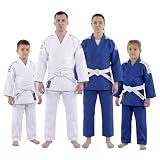
Black Tiger Judo Gi Uniform 450g Cotton Grain Cloth with Free Belt (White, 4)
-
100% PREMIUM COTTON: SMOOTH, STURDY FEEL FOR MAXIMUM COMFORT.
-
DURABLE 450G FABRIC: REINFORCED CLOTH ENSURES LONGEVITY AND RESILIENCE.
-
MULTI-PURPOSE USE: PERFECT FOR JUDO, JIU JITSU, OR AIKIDO TRAINING.
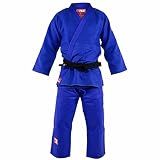
FUJI Euro Competition Judo Gi for Men and Women (Belt Not Included), Size 4.5
- PREMIUM 650GM COTTON BLEND FOR TOP-TIER COMPETITION PERFORMANCE.
- OFFICIALLY MEETS INTERNATIONAL JUDO FEDERATION SPECIFICATIONS.
- DESIGNED SPECIFICALLY FOR JUDO, NOT BRAZILIAN JIU JITSU.
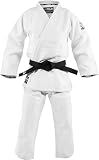
FUJI Double Weave Judo Gi, Thick Collar Cotton-Blend Judo Uniform, White, 4
- IJF-COMPLIANT DOUBLE WEAVE FOR ULTIMATE PERFORMANCE!
- PREMIUM COTTON BLEND FOR COMFORT AND DURABILITY!
- TRUSTED BY TOP DOJOS FOR QUALITY AND RELIABILITY!
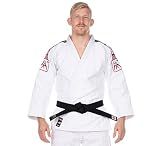
FUJI mens Double Weave Judo Gi, Thick Collar Cotton-Blend Judo Uniform, White, 1
-
IJF-APPROVED DESIGN: MEETS ALL IJF SPECS FOR QUALITY AND PERFORMANCE.
-
ULTIMATE COMFORT: SOFT COTTON BLEND FOR UNRESTRICTED MOVEMENT IN TRAINING.
-
DURABLE AND RELIABLE: REINFORCED SEAMS ENSURE LONGEVITY AND GREAT VALUE.
The Best Judo Gis for Men solve three problems at once: they survive hard grip fighting, pass your club or competition rules, and fit well enough that you’re not constantly tugging at the sleeves between rounds. A poorly chosen gi usually fails in one of those areas first-either the fabric shrinks 1–2 sizes after washing, the collar feels too flimsy during randori, or the cut is so boxy that your movement suffers on turnovers and newaza transitions.
If you train 2–4 times per week, your gi takes far more abuse than a casual uniform. Lapels get twisted, knees grind into tatami, and cuffs absorb repeated sleeve grips. That’s why the best judo uniform for men isn’t just about looks; it’s about fabric weight, weave, shrinkage control, reinforcements, and competition legality.
How we select products: Our team reviews sports gear daily, analyzing customer ratings, sizing consistency, fabric specs, pricing trends, and real buyer feedback to surface options that deliver strong value. For this guide, we prioritized men’s gis with solid durability signals, dependable shrink management, reinforced stress points, and cuts that work for both beginners and experienced judoka.
By the end, you’ll know which type of gi makes sense for your training volume, your budget, and whether you need a beginner judo gi, a competition judo gi, or a tougher rotation piece for frequent practice.
What are the Best Judo Gis for Men if you train 2 to 5 times per week?
For most adult male judoka, the Best Judo Gis for Men fall into three clear lanes:
- Best overall: a midweight to heavyweight gi with reinforced knees, dense collar construction, and predictable shrinkage
- Best for beginners: a lighter or midweight gi that balances comfort, durability, and easy movement
- Best for competition: a regulation-compliant gi with a cleaner athletic cut and stiffer, grip-resistant fabric
- Best for heavy training: a thicker weave model that can handle repeated uchikomi, randori, and frequent washing
- Best budget pick: a durable entry-level gi with good stitch quality and reliable sizing, even if the fabric feels less premium
Here’s the key distinction: training frequency matters more than skill level. A white belt training four times a week needs a tougher gi than a brown belt showing up once every 10 days.
Quick comparison table: Best Judo Gis for Men by use case
| Use case | Best type of gi | Ideal fabric feel | Best for | Watch out for | |---|---|---|---|---| | Beginner classes | Lightweight to midweight | Softer, easier break-in | Comfort, lower cost, early skill development | Faster wear at cuffs and knees | | Regular club training | Midweight single or double weave | Balanced stiffness and mobility | 2–4 sessions per week | Minor shrinkage after hot washes | | Hard randori | Heavyweight reinforced gi | Dense, stiff, grip-resistant | Grip fighting, durability, frequent use | Heavier feel and longer drying time | | Competition | Regulation-compliant athletic cut | Structured, cleaner profile | Tournament legality and sleeve/skirt compliance | Less forgiving fit if you size wrong | | Large or muscular builds | Roomier cut with strong seams | Flexible through shoulders | Lifters, broad backs, thick thighs | Oversized waist or sleeve length mismatch |
A good rule: if you train 3+ days per week, skip ultra-light uniforms. They often feel great in week one, then show wear at the sleeve seams and pants seat much earlier.
How we picked the Best Judo Gis for Men
I looked at the same factors experienced judoka talk about after class, not just what looks good on a product page. The shortlist focused on durability under sleeve-and-lapel gripping, shrinkage after repeated washing, reinforcement quality, comfort during breakfall-heavy sessions, and rule-friendly dimensions.
More specifically, the selection criteria included:
- Consistent buyer ratings of 4.0 stars or higher
- Fabric construction suited to actual judo, not karate-style lightweight uniforms marketed too broadly
- Reinforced knees and stress points, especially underarm seams and trouser tie areas
- Collar density that resists bunching and excessive folding during grip exchanges
- Sizing reliability, including whether the gi shrinks 3% or 10% after washing
- Use-case fit, separating recreational training gis from serious competition-ready options
That matters because review patterns are surprisingly predictable. Gis with repeated complaints about sleeve length and post-wash shrinkage usually trigger the same second-wave issues: awkward gripping, failed competition checks, and expensive replacement cycles within 6–12 months.
💡 Did you know: A stiff, thicker lapel doesn’t just feel premium-it can also be harder for your opponent to dominate quickly on the grip. That’s one reason many experienced judoka prefer heavier jackets for randori, even though they take longer to break in.
What should you look for before buying the Best Judo Gis for Men?
Choosing the Best Judo Gis for Men gets easier when you judge them by measurable details, not vague marketing language.
1. Fabric weight and weave tell you how the gi will behave
A lightweight gi is easier to move in and dries faster, but it usually gives up durability first. Midweight and heavyweight options handle grip-heavy sparring better, especially if you train more than twice a week.
As a rule of thumb:
- Lightweight: best for beginners, hot gyms, and occasional training
- Midweight: the sweet spot for most adult men
- Heavyweight: ideal for frequent randori, stronger grip exchanges, and longer-term durability
If you want one gi that does nearly everything well, midweight is the safest default.
2. Shrinkage control matters more than most men expect
The biggest sizing mistake isn’t buying too small. It’s buying a gi that fits perfectly out of the bag, then washing it once and losing sleeve length.
Look for buyer feedback mentioning:
- Cold wash or hang-dry compatibility
- Whether shrinkage stays under roughly 3–5%
- Sleeve and pant length changes after the first 2–3 washes
If you’re between sizes, the safer move is usually sizing up slightly, especially with cotton-heavy jackets.
3. Reinforced knees and stress seams are non-negotiable
Judo pants without solid knee reinforcement wear out fast, especially if your club does lots of drop entries, turnovers, or ground transitions. Men who train on rougher tatami textures often notice this even sooner.
Check for:
- Double-layer knee panels
- Strong stitching at the crotch and hips
- Extra reinforcement at the jacket side vents and armpits
4. Collar thickness affects both feel and performance
A thin collar can feel comfortable right away, but it often gets floppy under repeated gripping. A denser collar holds structure better and usually ages better over months of hard use.
For randori-heavy training, a firmer lapel is usually worth the slight break-in period.
5. Competition legality can’t be an afterthought
If you’ll ever compete, don’t buy solely for comfort. Sleeve length, jacket skirt length, and overall cut can all become issues at check-in.
A competition judo gi should give you enough room for movement without drifting outside accepted dimensions after washing. If tournaments are on your calendar, choose a gi designed with rules in mind from day one.
Best Judo Gis for Men under a tighter budget
The best value picks usually aren’t the cheapest options on the page. They’re the entry-level gis that clear the durability baseline and don’t force a replacement after one semester of training.
Best budget choice: durable beginner-friendly midweight gis
For most men starting out, the smartest budget buy is a midweight beginner judo gi with reinforced knees and a predictable cut. That setup tends to outperform ultra-thin uniforms because it lasts longer under basic gripping and breakfall drills.
Look for these budget-tier signs:
- Ratings at or above 4.2 stars
- Multiple comments confirming good fit after washing
- Jacket and pants that feel substantial without being overly stiff
- Minimal reports of seam fraying in the first few months
The catch? Budget gis often have a boxier cut and less refined stitching. That’s acceptable for new students, but if you’re training three or more times weekly, you’ll probably outgrow that tier quickly.
The $ sweet spot: Best Judo Gis for Men for regular club training
This is where most men should shop. The strongest value in judo gis usually sits in the mid-range, where you start seeing better weave density, cleaner reinforcements, and more dependable fit consistency.
Best overall for most men: a midweight to heavyweight all-purpose gi
If you train 2–4 times per week, the best all-around option is typically a midweight to moderately heavy gi with reinforced knees, a firm collar, and controlled shrinkage. It’s durable enough for regular randori but still comfortable enough for drilling and long sessions.
Why this category wins:
- Better lifespan than basic starter gis
- More stable fit after repeated laundering
- Improved grip resistance versus lighter jackets
- Strong enough for hobbyists and serious club competitors alike
This is also the level where you start feeling the difference in break-in quality. Better jackets soften gradually without turning limp, which is exactly what you want.
If you’re also upgrading your training setup, this is a good point to find out more about duffle bags that can handle a heavier gi, belt, tape, and wet gear after class.
Are premium options really the Best Judo Gis for Men for competition and heavy randori?
Sometimes yes. But only if you’ll actually use what you’re paying for.
Best premium pick: heavyweight competition-ready gis
For experienced practitioners, frequent competitors, or heavier-gripping training partners, the premium tier usually offers the best performance. These gis tend to have denser fabric, stronger seam finishing, and a more precise athletic cut that feels noticeably more stable in hard rounds.
They’re most worth it if you:
- Train 4–6 times per week
- Compete regularly
- Prefer a stiffer jacket that resists easy gripping
- Want a longer replacement cycle
The downside is obvious: they’re heavier, slower to dry, and less forgiving if you miss the right size. For casual twice-a-week training, many men won’t fully benefit from the jump.
What reviews reveal about the Best Judo Gis for Men after 3 to 6 months
Short-term reviews often rave about comfort. The useful reviews show up later-after sweat, washing, shrinkage, and real mat time expose weaknesses.
Red flags that show up again and again
Across judo gi reviews, the same complaints tend to repeat:
- Sleeves shrinking too much after the first hot wash
- Pants tearing at the knees or seat during groundwork-heavy classes
- Loose stitching around side vents and cuff seams
- Thin lapels that soften too fast under regular gripping
- Inconsistent sizing, especially between jacket and pants proportions
One clear pattern: gis with lots of comments about “great for martial arts” but very few judo-specific details are often too generic. If reviewers never mention randori, gripping, lapel stiffness, or reinforcement, treat that as a warning sign.
What positive long-term reviews usually mention
The best long-term feedback sounds specific, not generic. Men keep praising the same features:
- Survives weekly washing without dramatic shrinkage
- Holds shape after months of sleeve fighting
- Knees stay intact during drop techniques and mat work
- Collar remains structured instead of collapsing
- Fabric softens over time without feeling thin
That’s the difference between “comfortable out of the package” and actually being one of the Best Judo Gis for Men.
Best Judo Gis for Men by body type and training goal
Fit changes everything. A great gi on paper can still feel wrong if your shoulders, chest, or leg build don’t match the cut.
Best for taller men
Taller practitioners should prioritize sleeve and pant length first, then manage shrinkage carefully. A slightly longer initial fit is usually safer than a perfect fit that becomes too short after two washes.
Best for muscular or broad-shouldered men
If you lift or naturally carry more upper-body mass, look for a gi known for room through the chest and shoulders. A jacket that binds during grip breaks or overhead movement becomes annoying fast.
Best for beginners
The Best Judo Gis for Men who are new to the sport are usually midweight, soft enough to break in quickly, and durable enough for 2–3 sessions a week. You don’t need the stiffest competition cut on day one.
Best for advanced training
Advanced judoka generally benefit most from a denser weave and firmer collar. If your sessions include hard randori, grip fighting, and competition prep, durability should beat out softness every time.
If you’re building skill alongside gear, it also helps to learn more about judo books that break down gripping, transitions, and tactical development.
How to care for the Best Judo Gis for Men so they last longer
A good judo gi can lose months of useful life if you wash it carelessly. Heat is usually the main culprit.
Best washing habits for durability and fit
Use these habits if you want your gi to hold size and structure:
- Wash cold after training to reduce shrinkage and odor buildup.
- Hang dry whenever possible instead of using high machine heat.
- Wash the gi soon after class, especially after sweat-heavy sessions.
- Skip harsh bleach, which can weaken stitching over time.
- Own at least two gis if you train 3+ times weekly.
Pro tip: Rotating two gis instead of pounding one into the ground often extends each uniform’s lifespan significantly. For regular trainees, that can mean the difference between replacing a gi in under a year or getting much longer service out of both.
Final recommendation: what matters most when choosing the Best Judo Gis for Men
If you only remember one thing, make it this: buy for your training frequency, not your rank. The best choice for most men is a midweight or moderately heavy gi with reinforced knees, a firm collar, and low reported shrinkage, because that combination covers the widest range of classes, body types, and long-term use.
If you train casually, a budget-friendly midweight model is enough. If you train hard or compete, move up to a denser, competition-ready gi and prioritize fit after washing above everything else.
Frequently Asked Questions
What is the best judo gi weight for men?
For most men, a midweight judo gi is the best balance of comfort, durability, and movement. If you train more than three times a week or do a lot of hard randori, a heavier gi usually holds up better.
How to choose the right size judo gi for men?
Start with your height and build, then check whether the gi is known to shrink after washing. If you’re between sizes, choosing slightly larger is often safer, especially for cotton-heavy jackets that may lose 3–5% in length.
Is an expensive judo gi worth it?
A premium judo gi is worth it if you train frequently, compete, or want a stiffer, longer-lasting jacket. For beginners training once or twice a week, the performance gap is smaller, so a solid mid-range option usually delivers better value.
How many judo gis should a man own?
If you train once or twice weekly, one gi can work if you wash and dry it promptly. For 3+ sessions per week, two gis are the practical minimum so you can rotate them and reduce wear.
What is the difference between a judo gi and a BJJ gi?
A judo gi typically has a roomier cut, heavier emphasis on stand-up grip durability, and pants built for repeated throws and mat impact. A BJJ gi often has a slimmer fit and different rule priorities, so it’s not always ideal for standard judo training or competition.