
Best Cycling Computers to Buy in November 2026
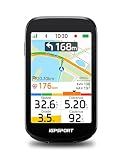
iGPSPORT BSC500 GPS Bike Computer, 3.3'' Touch Screen MAP Voice Navigation | Climb Training Ebike Function Yaw Replan Connect with Radar Light Sync with Strava Bluetooth ANT+ Wireless Bicycle Computer
-
LARGE 3.3 TOUCHSCREEN: EASY VIEWING OF 12 CYCLING DATA METRICS.
-
ADVANCED GPS & MAPPING: DUAL-BAND SIGNAL FOR PRECISE NAVIGATION EVERYWHERE.
-
INTELLIGENT TRAINING INSIGHTS: TAILORED ANALYSIS FOR IMPROVED CYCLING PERFORMANCE.


Wahoo ELEMNT Bolt V3 GPS Cycling/Bike Computer,Black
-
EFFORTLESS TURN-BY-TURN NAVIGATION WITH REAL-TIME PROMPTS AND ALERTS.
-
AUTOMATIC ROUTE DOWNLOADS & WORKOUT UPLOADS TO YOUR FAVORITE APPS.
-
SMART NOTIFICATIONS KEEP YOU CONNECTED WHILE YOU RIDE SAFELY.
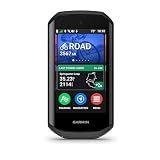
Garmin Edge® 1050, Premium Cycling Computer | Large & Vivid Touchscreen, Advanced Cycling Metrics, Built-In Speaker, Garmin Coach, Groupride, Road Hazard Alerts
- 20-60 HOUR BATTERY LIFE: RIDE LONGER WITH EXTENDED BATTERY MODES.
- SMART CONNECTIVITY: STAY CONNECTED WITH MESSAGING AND ALERTS.
- PERSONALIZED COACHING: OPTIMIZE PERFORMANCE WITH TAILORED TRAINING PLANS.
Wahoo ELEMNT ROAM V3 GPS Cycling/Bike Computer,Black
-
PRECISION NAVIGATION EVERYWHERE: DUAL-BAND GPS ENSURES RELIABLE ACCURACY IN DENSE AREAS.
-
SEAMLESS ROUTE SHARING: EFFORTLESSLY SHARE AND ACCESS ROUTES WITH NEARBY ELEMNT USERS.
-
CUSTOM ROUTE GENERATION: GENERATE TAILORED ROUTES ON-DEMAND WITH EASY NAVIGATION.
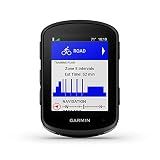
Garmin Edge 540, Compact GPS Cycling Computer | Button Controls, Targeted Adaptive Coaching, Advanced Navigation, Up to 26 hours
- 26-42 HOUR BATTERY LIFE: LONG-LASTING POWER FOR EXTENDED RIDES.
- MULTI-BAND GNSS: ENHANCED ACCURACY IN CHALLENGING ENVIRONMENTS.
- PERSONALIZED COACHING: TAILORED WORKOUTS BOOST CYCLING PERFORMANCE.
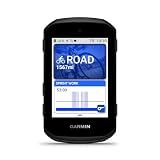
Garmin Edge® 850, Compact GPS Cycling Computer | Vivid Color Display, Touchscreen, Advanced Training & Performance Insights, Built-In Speaker
-
VIVID TOUCHSCREEN DISPLAY WITH ADVANCED GPS FOR SUPERIOR NAVIGATION.
-
UP TO 36-HOUR BATTERY LIFE IN SAVER MODE FOR LONG, DEMANDING RIDES.
-
SMART FUEL ALERTS ENSURE OPTIMAL HYDRATION AND REFUELING ON-THE-GO.
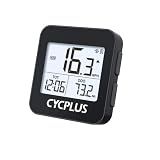
CYCPLUS Wireless GPS Bike Computer G1, 70g, 2.0" Screen, IPX6, 1200mAh | Pocket-Size, Bicycle Speedometer Odometer with Automatic Backlight, >55h Working Time, Provide Professional Data Analysis
- DYNAMIC GPS POSITIONING: ACCURATE TRACKING FOR EVERY RIDE!
- AUTOMATIC BACKLIGHT: CRYSTAL CLEAR VISIBILITY DAY OR NIGHT.
- IPX6 WATERPROOF: RELIABLE PERFORMANCE, RAIN OR SHINE!
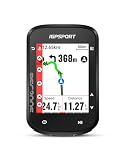
iGPSPORT BSC200S GPS Bike Computer, Route Navigation Long Battery Life | Easy to Read Connect with Sensors Sync with Strava Bluetooth ANT+ Wireless Bicycle Computer
- SMART NAVIGATION: EFFORTLESSLY CREATE AND CUSTOMIZE ROUTES ON THE APP.
- LONG BATTERY LIFE: ENJOY 25 HOURS OF RIDING WITH A QUICK 1.5H CHARGE.
- COMPREHENSIVE DATA: ACCESS 100+ METRICS AND PERSONALIZE YOUR DISPLAY.
Cycling computers have become an integral part of the modern cycling experience, offering a wealth of data that can enhance your training, track your progress, and improve your overall biking adventure. In this guide, we'll explore what cycling computers are, their benefits, and key factors to consider when choosing the perfect device for your needs.
What is a Cycling Computer?
A cycling computer, also known as a bike computer, is a device mounted on your bicycle to collect and display data related to your ride. These devices can track a variety of metrics, including speed, distance, time, elevation, and heart rate, among others. Advanced models also offer navigation, connectivity, and performance analysis to help cyclists get the most out of their rides.
Benefits of Using a Cycling Computer
Cycling computers offer numerous benefits that can make them a valuable asset for both casual cyclists and serious riders. Here are some of the key advantages:
- Performance Tracking: By monitoring metrics like speed, cadence, and heart rate, cyclists can gain insights into their performance and identify areas for improvement.
- Navigation Assistance: With built-in GPS and mapping features, cycling computers can help you navigate unfamiliar routes with ease.
- Training Optimization: Advanced features such as training plans and interval workouts allow cyclists to structure their training more effectively.
- Data-Driven Decisions: Analyzing ride data can help cyclists make informed decisions about their biking habits and goals.
Key Features to Consider
When selecting a cycling computer, it's important to evaluate several key features to ensure the device meets your cycling needs. Here are some essential factors to consider:
1. Display
The display is a crucial component of a cycling computer, as it’s your primary interface with the device. Consider the following aspects:
- Screen Size: Larger screens can display more information but may also be bulkier.
- Visibility: Ensure the display is easy to read in different lighting conditions, including direct sunlight.
- Interface: Decide whether you prefer touchscreen navigation or physical buttons.
2. Battery Life
Battery life can vary significantly between models. Consider your typical ride duration and how often you'll need to recharge the device. Some units offer extended battery modes or swappable batteries for longer usage.
3. GPS and Navigation
For cyclists who often explore new routes, GPS capabilities are essential. Look for features like:
- Route Mapping: Turn-by-turn navigation and preloaded maps can guide you through your journey.
- Satellite Support: Multi-satellite system support (e.g., GPS, GLONASS) enhances accuracy and reliability.
4. Connectivity
Modern cycling computers often come with connectivity options such as:
- Bluetooth and ANT+: For pairing with sensors and other devices like heart rate monitors or power meters.
- Smartphone Integration: Allows syncing with apps for data analysis, live tracking, and notifications.
5. Durability and Water Resistance
Cycling computers are exposed to the elements, so it's crucial to consider:
- Build Quality: Choose a robust device that can withstand vibrations and potential impacts.
- Water Resistance: Ensure it has adequate protection against rain and splashes.
6. Ease of Use
Evaluate how easy it is to set up and use the cycling computer. User-friendly interfaces and intuitive design contribute to a better experience.
Final Thoughts
Choosing the best cycling computer involves considering your specific cycling habits, preferences, and goals. By focusing on the features that matter most to you, such as display quality, battery life, and connectivity, you can find a device that enhances your riding experience and helps you reach new heights in your cycling journey. Whether you're a beginner looking for basic performance metrics or a seasoned cyclist seeking advanced training tools, there's a cycling computer out there for you.